Introduction
Starting an export business in India is one of the most effective ways to enter global trade and build a scalable business. India has strong production capabilities in agriculture, food products, textiles, and industrial goods, making it a preferred sourcing destination for international buyers.
This guide explains the complete process of starting an export business in India, including registration, documentation, buyer acquisition, and logistics.
Why Start an Export Business in India
India offers several advantages for export businesses:
- High global demand for Indian agricultural and food products
- Government support through export promotion schemes
- Access to cost-effective manufacturing and sourcing
- Opportunity to earn in foreign currency
Step 1: Choose the Right Product

Selecting the right product is critical for success.
Common export products from India include:
- Rice and grains
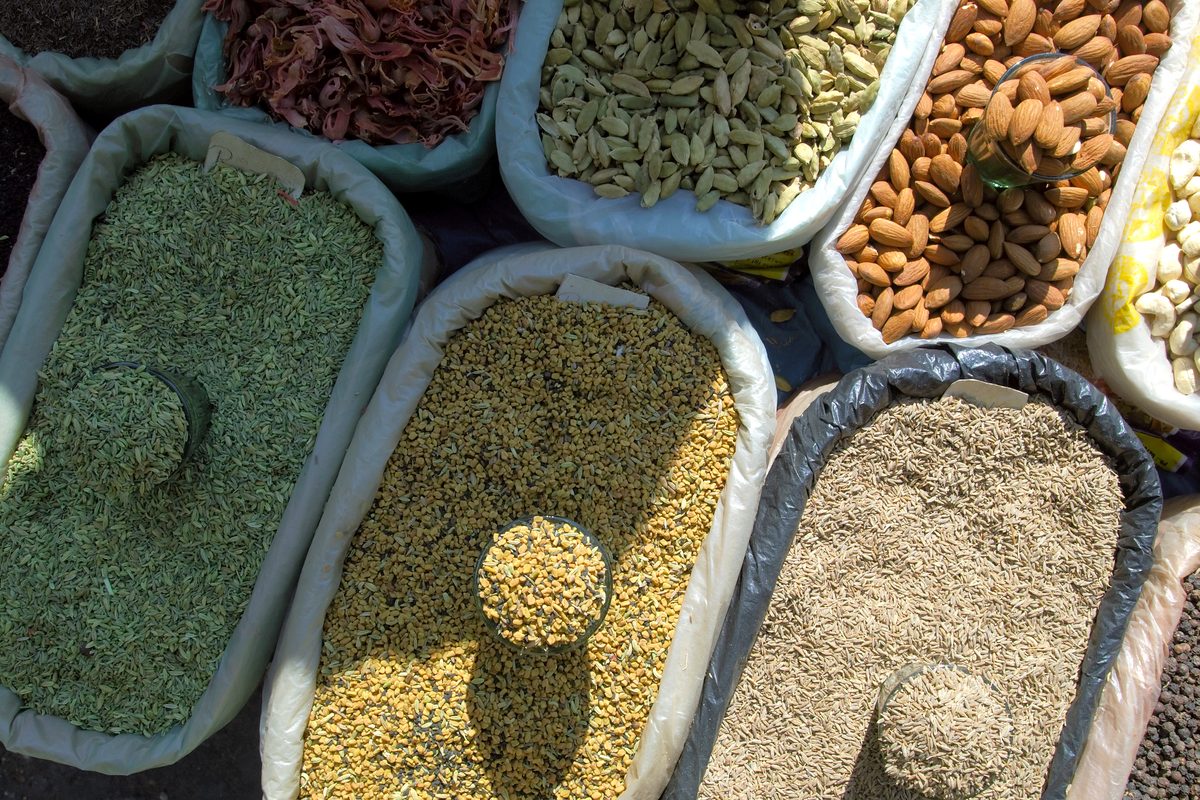
- Spices such as turmeric, black pepper, and cumin
- Pulses and millets
- Fresh fruits and vegetables
- Processed and packaged food products
Choose a product based on demand, availability, and profit margin.
Step 2: Register Your Business
To operate legally, you must register your business.
You can choose from:
- Sole Proprietorship
- Partnership Firm
- Private Limited Company
For beginners, a sole proprietorship is the simplest option.
Step 3: Obtain PAN and Open a Business Bank Account
A PAN card is required for all financial transactions.
Open a current account in your business name to handle international payments.
Step 4: Apply for Import Export Code (IEC)
The Import Export Code is mandatory for exporting goods from India.
Apply through the Directorate General of Foreign Trade.
IEC is a one-time registration and remains valid for a lifetime.
Step 5: Register with Export Promotion Council
Depending on your product, you may need to register with:
- APEDA for agricultural and processed food products
- Spices Board for spices
- FIEO for general exports
This helps build credibility and access government benefits.
Step 6: Understand Export Documentation

Proper documentation is essential in export operations.
Key documents include:
- Commercial invoice
- Packing list
- Bill of Lading or Airway Bill
- Certificate of Origin
- Shipping bill
Incorrect documentation can delay shipments and payments.
Step 7: Find International Buyers

Finding buyers is one of the most important steps.
You can find buyers through:
- B2B platforms
- Trade exhibitions
- LinkedIn networking
- Direct outreach
Focus on building long-term relationships with buyers rather than one-time transactions.
Step 8: Decide Pricing and Payment Terms
Pricing depends on product cost, logistics, and margins.
Common payment methods include:
- Advance payment
- Letter of Credit
- Telegraphic Transfer
Advance payment is recommended for beginners to reduce risk.
Step 9: Logistics and Shipping
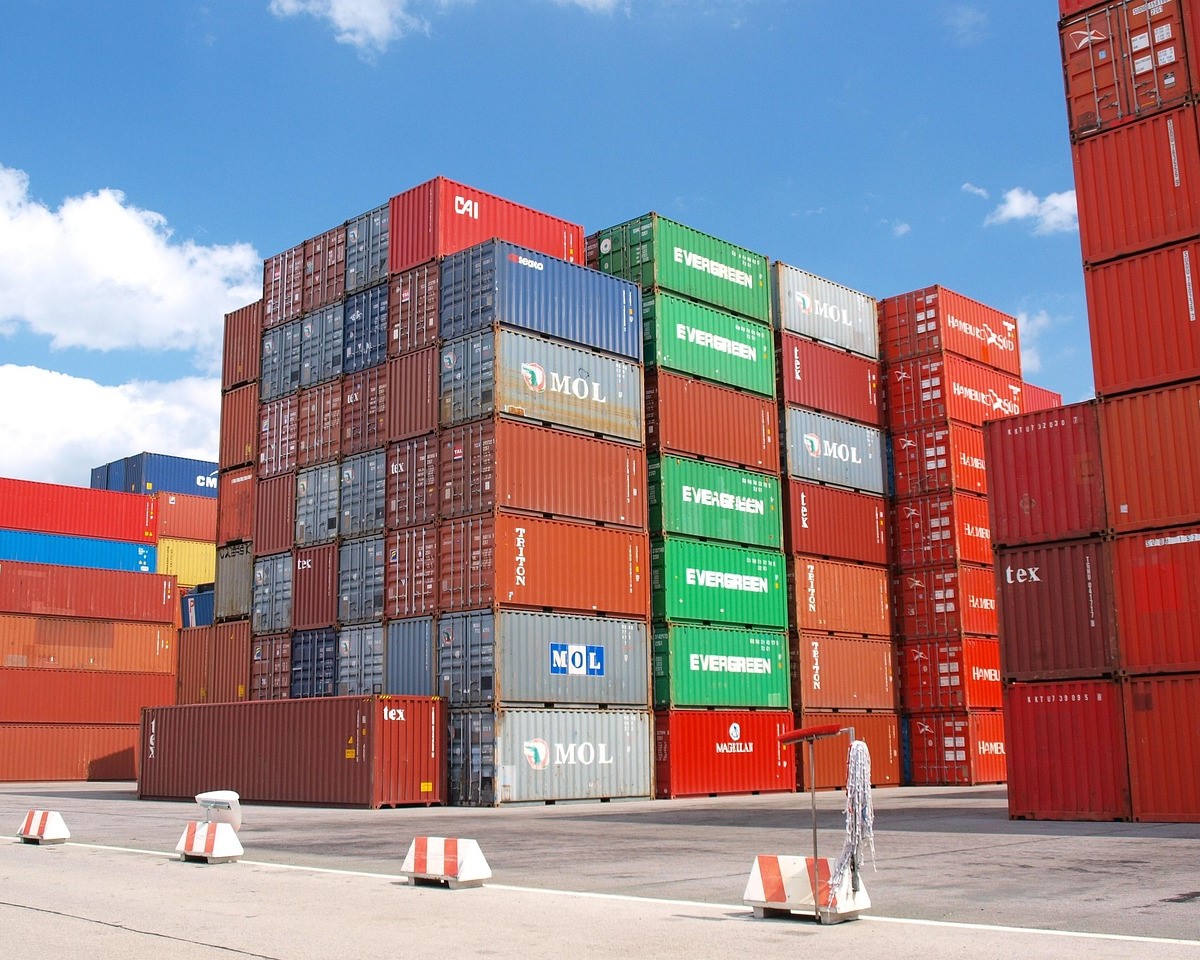
Choose a reliable logistics partner such as a freight forwarder.
Understand shipping terms like:
- FOB (Free on Board)
- CIF (Cost, Insurance, Freight)
Efficient logistics ensures timely delivery and customer satisfaction.
Step 10: Start Small and Scale
Begin with small orders and gradually scale your business.
Focus on learning the process, building supplier networks, and improving operations.
How Maatifarms Can Help You

Starting an export business involves multiple steps including sourcing, supplier verification, documentation, and logistics coordination.
Maatifarms acts as a global sourcing partner and supports businesses by:
- Connecting you with verified suppliers across India
- Assisting in product sourcing and quality control
- Supporting private label and bulk sourcing requirements
- Managing logistics and supplier coordination
- Helping international buyers source products efficiently from India
If you are looking to start or scale your export journey, working with an experienced sourcing partner can simplify the entire process.
Common Mistakes to Avoid
- Choosing products without market research
- Ignoring documentation requirements
- Working with unverified suppliers
- Incorrect pricing strategy
Conclusion
Starting an export business in India requires planning, compliance, and market understanding. With the right approach, it can become a profitable and scalable business.
Understanding the process and working with reliable sourcing partners can help reduce risks and improve efficiency.
FAQs
What is the minimum investment required to start export business in India
You can start with a small investment depending on the product and scale of operations.
Is IEC mandatory for export
Yes, IEC is required for all export and import activities.
Can I start export business without manufacturing
Yes, you can work as a trader or sourcing partner without owning manufacturing facilities.