Introduction
Cashew export from India is one of the most profitable segments in the agricultural export industry. India is known for producing high-quality cashews that are widely consumed across global markets.
From snacks to food processing industries, the demand for Indian cashews continues to grow. Understanding cashew export from India can help businesses tap into this high-demand and high-value market.
Why Cashew Export is a Profitable Opportunity
Cashew export offers strong profit potential due to its premium positioning in international markets. Countries like the USA, UAE, and European nations import large quantities of cashews every year.
Additionally, cashews are considered a high-value product, which means exporters can achieve better margins compared to many other agricultural products. As a result, this business is attractive for both new and experienced exporters.
Global Demand for Cashews
Cashews are widely used in snacks, desserts, dairy alternatives, and processed food products. The increasing demand for healthy and plant-based foods has further boosted their popularity.
Moreover, cashew export benefits from the reputation of Indian cashews, supported by global agricultural trade insights and demand trends.
Types of Cashews Exported from India
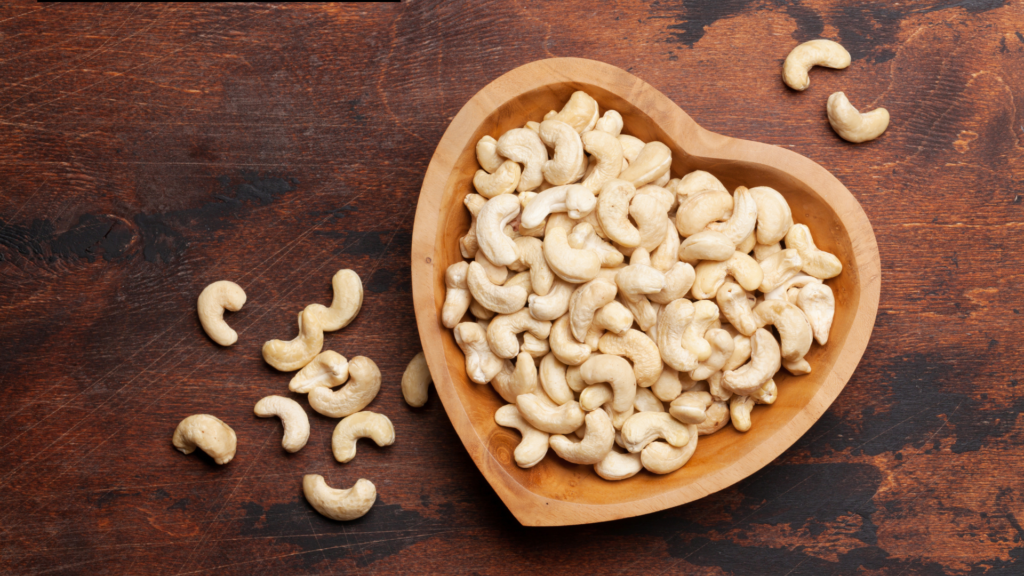
Whole Cashews
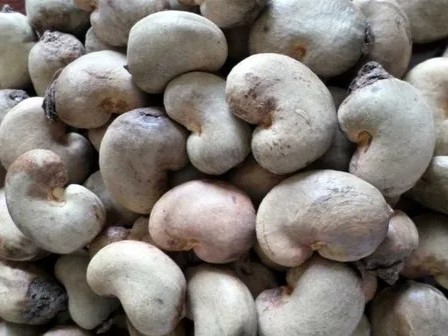
Whole cashews are the most popular export category. They are graded based on size and quality, such as W180, W240, and W320.
Cashew Kernels
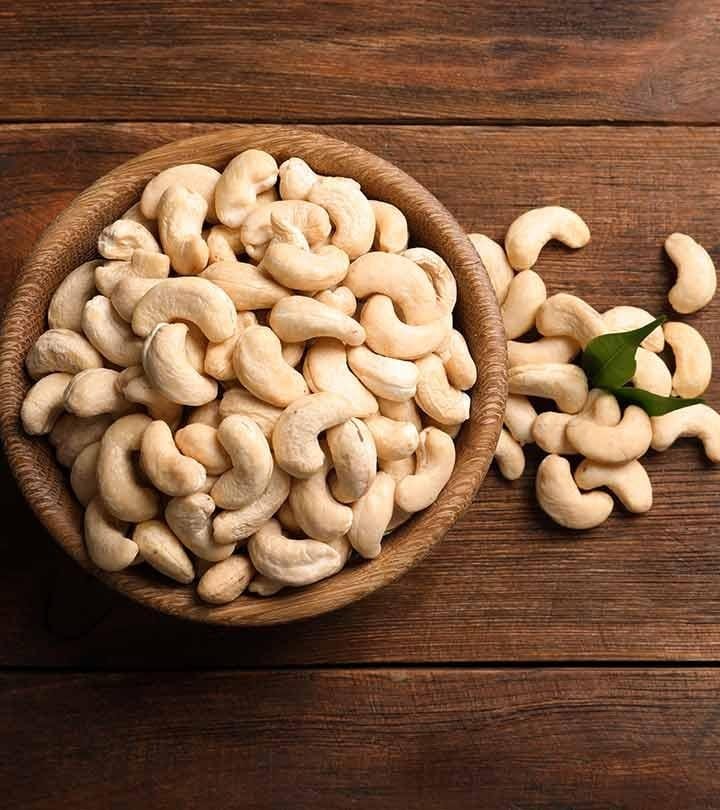
processed and ready for consumption. They are widely used in food industries.
Broken Cashews
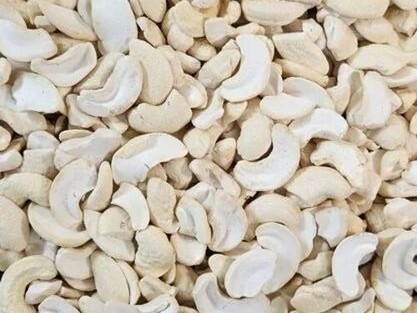
used in cooking and food processing. They are more affordable and have strong demand in bulk markets.
Quality Standards in Cashew Export from India
Quality plays a critical role in cashew export. Buyers expect uniform size, proper grading, and high freshness.
In addition, exporters must ensure hygienic processing, proper packaging, and compliance with international food safety standards. Therefore, maintaining quality at every stage is essential.
Cashew Export from India Process
The cashew export process involves multiple steps.
Sourcing
Exporters source raw cashews from trusted suppliers and farmers.
Processing
Suppliers process, peel, and grade cashews to meet export standards.
Packaging
Proper packaging ensures freshness and prevents damage during transportation.
Documentation
Exporters prepare all required documents, including invoices and certificates.
Shipping
Exporters ship cashews through sea or air depending on order requirements.
Pricing and Profit Margin
Cashew export offers high profit margins due to its premium demand. Prices depend on quality, grade, and global market conditions.
Moreover, exporters who maintain consistent quality and strong buyer relationships can secure better pricing and long-term contracts.
Challenges in Cashew Export
Some common challenges include maintaining consistent quality, managing price fluctuations, and meeting strict international standards.
However, businesses can overcome these challenges with proper sourcing strategies and reliable partners.
How Maati Farms Supports Cashew Export
Maati Farms helps businesses source premium-quality cashews from verified suppliers. The focus is on quality assurance, transparent pricing, and smooth export operations.
As a result, businesses can confidently enter the cashew export market and scale efficiently.
Conclusion
Cashew export from India is a high-value and growing business opportunity. With strong global demand and premium positioning, it offers excellent returns for exporters.
Therefore, focusing on quality, sourcing, and long-term partnerships is key to success.
Call to Action
If you are looking to start cashew export, Māati Farms can help you connect with trusted suppliers and simplify your sourcing process.
Get in touch today to explore profitable export opportunities.