Tapioca (sourced from cassava root) and sago are among India’s less-talked-about food exports, but demand from commercial snack, bakery, and food-processing manufacturers abroad has been growing steadily — particularly for raw dried tapioca and sago pearls used as a starch base in snack production. This guide covers what buyers actually source, quality specifications that matter, and how the export process works from India.
Looking for a supplier? Check out our Agro Products catalog.
Tapioca and Sago Products India Exports
- Raw Dried Tapioca / Sago Pearls — the primary export form, used as a starch base for snack manufacturing, bakery applications, and traditional dishes.
- Tapioca Starch / Flour — used in food processing, adhesives, and as a thickening agent.
- Tapioca Chips — a finished snack product in its own right, popular in South and Southeast Asian export markets.
India’s tapioca and sago processing is concentrated in Tamil Nadu (particularly Salem and surrounding districts), which produces the bulk of the country’s export-grade tapioca products.
What Buyers Look For
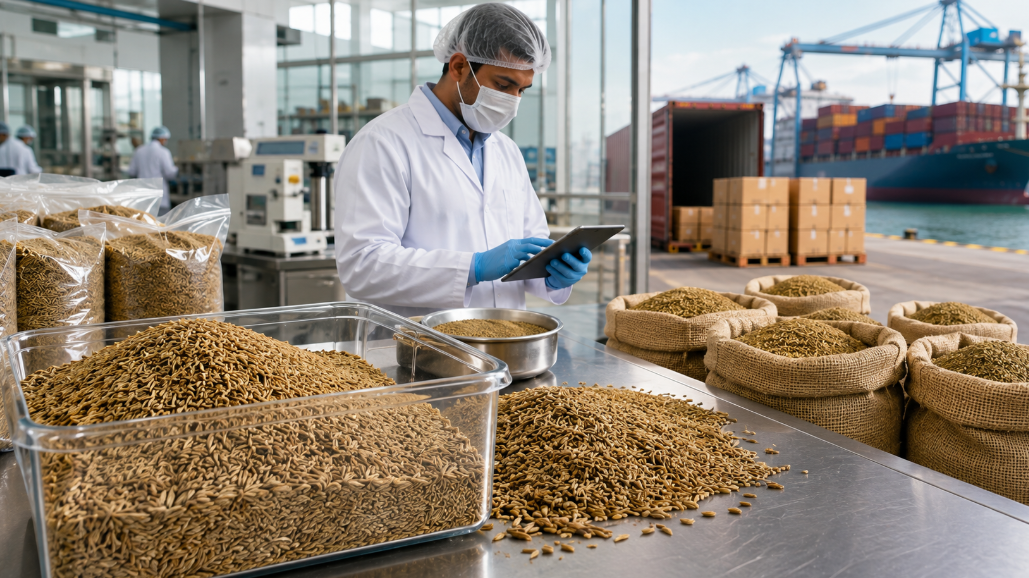
Commercial snack and food processing buyers evaluating tapioca/sago pearl suppliers typically specify:
- Pearl size consistency — uniform grading matters for automated processing lines.
- Moisture content — directly affects shelf life and processing behavior; buyers usually specify a maximum moisture percentage.
- Starch purity — low impurity/foreign matter content, verified via Certificate of Analysis.
- Food-grade processing standards — particularly important for products going into commercial snack production rather than retail sale.
See our Certificate of Analysis guide for what buyers should request before confirming an order.
Export Markets for Indian Tapioca and Sago
- USA — commercial snack food brands sourcing raw material for domestic manufacturing.
- Middle East — food processing and retail demand, alongside general South Asian ingredient demand.
- UK & Europe — ethnic food retailers and specialty snack manufacturers.
Documentation for Tapioca/Sago Export
- IEC Code and standard commercial export documents (invoice, packing list, certificate of origin).
- Phytosanitary Certificate — required for most agricultural/starch product imports.
- Certificate of Analysis — increasingly requested for food-grade and commercial-production buyers specifically.
Frequently Asked Questions
What’s the difference between tapioca pearls and sago pearls?
Both are starch-extract pearls used similarly in food production; “sago” traditionally refers to starch from the sago palm, while what’s commonly sold as “sago” in India and for export is typically tapioca-derived (from cassava) — buyers should confirm which source their supplier is using, since specifications and pricing differ.
Can tapioca/sago be sourced for commercial snack production specifically?
Yes — this is one of the main use cases driving current export demand. Buyers sourcing for commercial production should specify pearl size consistency and moisture content upfront, since retail-grade and commercial-processing-grade material aren’t always interchangeable.
Which Indian region produces the most export-grade tapioca?
Tamil Nadu, particularly the Salem region, is India’s primary tapioca processing hub.
How Maati Farms Helps
Maati Farms connects international buyers with vetted Indian tapioca and sago suppliers, handling quality specification matching, Certificate of Analysis coordination, and export documentation end-to-end.
If you’re sourcing tapioca or sago pearls for commercial production, get a free quote and tell us your required pearl size, moisture spec, and target volume.