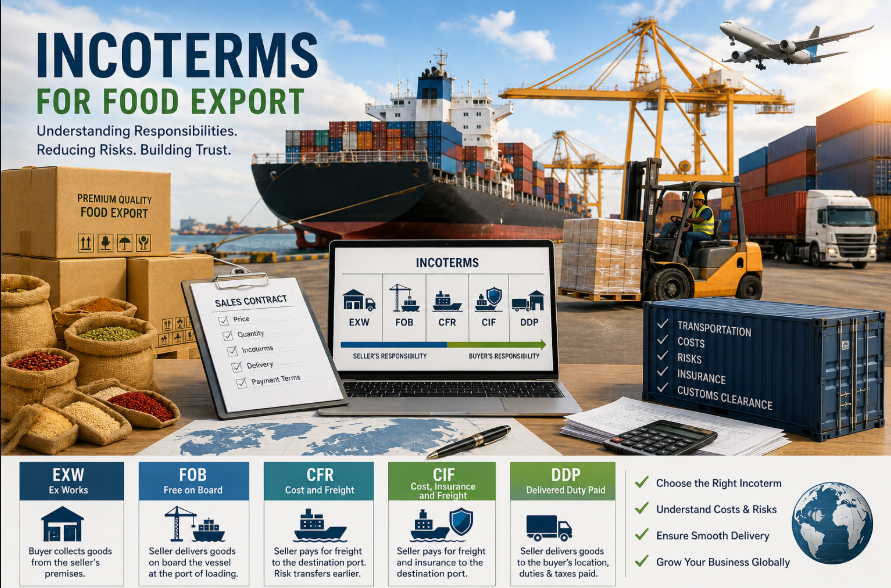
If you are exporting agricultural products from India to the Middle East, understanding Halal certification requirements is one of the most important steps in the process. Buyers, customs authorities, and retailers across the Gulf region increasingly expect Halal compliance documentation alongside standard export paperwork — even for products that are not meat-based.
This guide breaks down which agricultural products actually need Halal certification, which regulatory bodies set the rules in the major GCC markets, what the certification process looks like for an Indian exporter, and what other documents typically travel alongside it.
Maati Farms handles supplier vetting, documentation, and export compliance for agricultural buyers sourcing from India, so this is the exact groundwork we walk exporters and buyers through on every Middle East shipment.
Why Halal Certification Matters for Agricultural Exports
Halal certification confirms that a product, and the way it was processed, packaged, and handled, complies with Islamic dietary law. For meat and poultry, this is a straightforward legal requirement in every GCC country. For agricultural commodities — spices, rice, pulses, dehydrated vegetables, and similar products — the picture is more nuanced:
- Processed foods and meat products: Halal certification is mandatory across Saudi Arabia, the UAE, and the wider GCC.
- Raw or minimally processed agricultural products (whole spices, spice powders, pulses, rice): not always a strict legal requirement, but importers, customs officers, and retail buyers frequently request it anyway, because it signals a controlled, traceable supply chain and speeds up customs clearance and retail shelf approval.
In practice, most serious buyers in Saudi Arabia, the UAE, Qatar, Kuwait, and Oman will ask for it as a matter of course — treat it as an expected part of doing business, not an edge case.
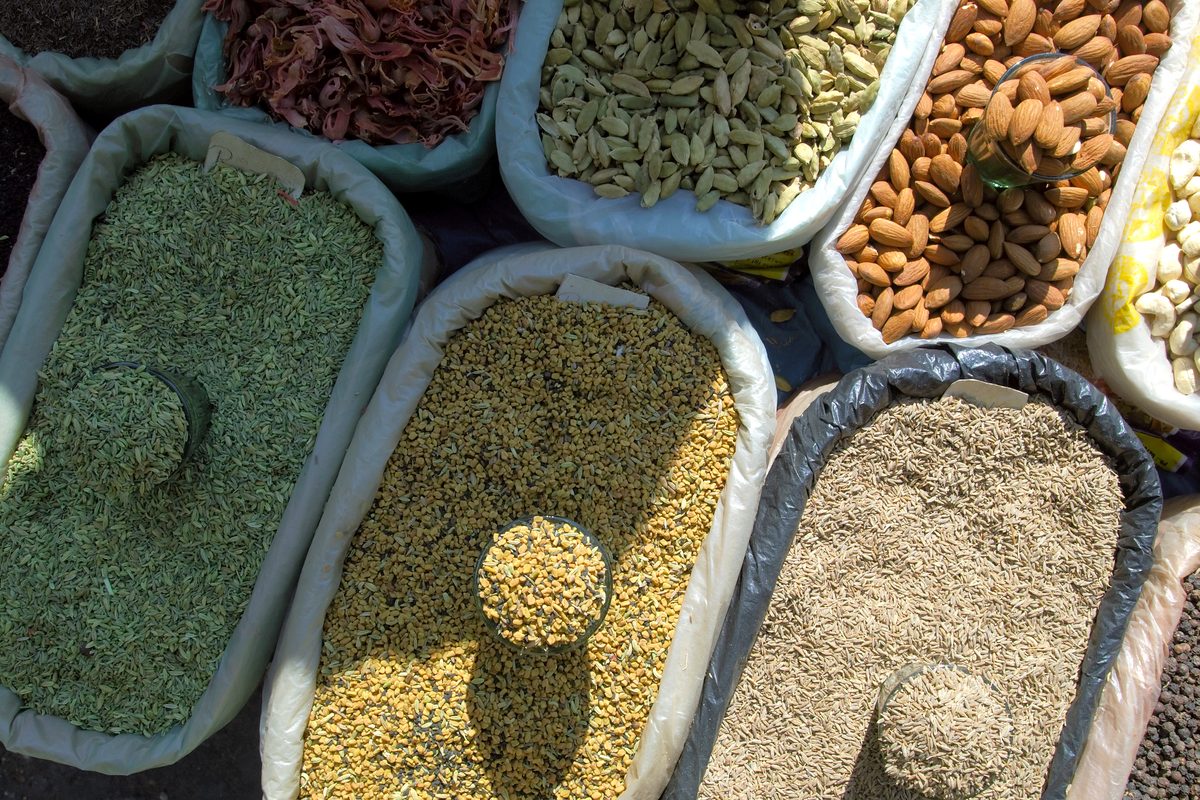
Which Agricultural Products Typically Need It
- Spices and spice blends (turmeric, chili, cumin, coriander, cardamom, etc.)
- Rice (basmati and non-basmati)
- Pulses and legumes
- Dehydrated vegetables (onion, garlic, and similar)
- Ready-to-cook and processed food products
- Any product carrying flavourings, coatings, or additives of animal or alcohol-derived origin
Purely raw, single-ingredient commodities with no additives are the least likely to face a hard legal requirement, but even here, certification is increasingly used as a trust and quality signal by buyers comparing multiple suppliers.
Key Regulatory Bodies Across the GCC
Requirements are not identical across the Gulf — each country enforces its own standards, though they overlap heavily:
- Saudi Arabia — SFDA (Saudi Food and Drug Authority): Sets food safety and Halal compliance requirements for imported food products entering the Saudi market.
- UAE — ESMA (Emirates Authority for Standardization and Metrology): Administers the UAE’s Halal conformity scheme for food products.
- GSO (GCC Standardization Organization): Sets shared regional standards used across Saudi Arabia, UAE, Qatar, Kuwait, Oman, and Bahrain — including labeling rules that require Arabic-language ingredient lists and production/expiry dates on packaged food.
Because port clearance procedures and importer-side registration requirements vary by country and do change, always confirm current requirements with your import broker or the buyer’s customs agent at the destination port before shipping.
The Halal Certification Process for Indian Exporters
At a high level, the process looks like this:
- 1. Choose an accredited Halal certification body recognized by the importing country — recognition varies by destination, so confirm which certifying bodies your specific buyer’s country accepts before starting.
- 2. Facility and process audit: The certifying body inspects your processing facility, ingredients, and handling procedures.
- 3. Documentation review: Ingredient sourcing, additives, and processing aids are reviewed for Halal compliance.
- 4. Certification issuance: Once approved, you receive a Halal certificate tied to the specific product and facility, usually valid for a fixed period before renewal.
- 5. Certificate travels with the shipment: A copy accompanies your export documentation for customs clearance at the destination.
Timelines vary by certifying body and facility readiness, so it’s worth starting this process well before your first shipment date rather than during order fulfillment.
Other Documents You’ll Need Alongside Halal Certification
Halal certification rarely travels alone. For agricultural exports to the Middle East, buyers and customs typically also expect:
- Phytosanitary Certificate — mandatory for spices, rice, pulses, and dehydrated vegetables, confirming the shipment is free of regulated pests and diseases.
- Certificate of Origin — confirms the product was grown/manufactured in India.
- Certificate of Analysis (COA) — lab results confirming quality parameters match the buyer’s specification. See our detailed guide to Certificates of Analysis for food products.
- Bilingual (Arabic/English) labeling — required under GSO standards for retail-packaged food, including ingredient lists and production/expiry dates.
Frequently Asked Questions
Is Halal certification legally mandatory for raw spices exported to the Middle East?
Not always as a strict legal requirement for raw, unprocessed spices, but most buyers and many customs points request it regardless, since it speeds up clearance and reassures retail buyers.
Which GCC countries require Halal certification for food imports?
Saudi Arabia and the UAE have the most clearly defined schemes (via SFDA and ESMA respectively), and the standard is expected across Qatar, Kuwait, Oman, and Bahrain as well, largely aligned through GSO regional standards.
How long does Halal certification take for an Indian exporter?
It depends on the certifying body and how audit-ready your facility already is. Start the process well ahead of your first planned shipment rather than after an order is confirmed.
Does Halal certification cover packaging and labeling too?
Halal certification itself covers the product and its processing. Packaging and labeling compliance (Arabic ingredient lists, dates) is a separate GSO labeling requirement that typically needs to be met alongside it.
Can a single Halal certificate cover multiple products?
Certification is generally tied to specific products and the facility that processed them, so a new or amended certificate is usually needed when adding a new product line.
How Maati Farms Simplifies Halal-Compliant Exports
Maati Farms works with vetted Indian manufacturers and handles the full documentation chain — Halal certification coordination, phytosanitary and health certificates, Certificates of Analysis, and Arabic-compliant labeling — so buyers in Saudi Arabia, the UAE, and across the GCC receive shipments that clear customs without delays. We currently export to buyers in 65+ countries, including active markets across the Middle East.
If you’re sourcing agricultural products for the Middle East and want compliance handled end-to-end, get a free quote and tell us your product, target country, and target price — we’ll come back with pricing, lead time, and the documentation checklist for your specific shipment.