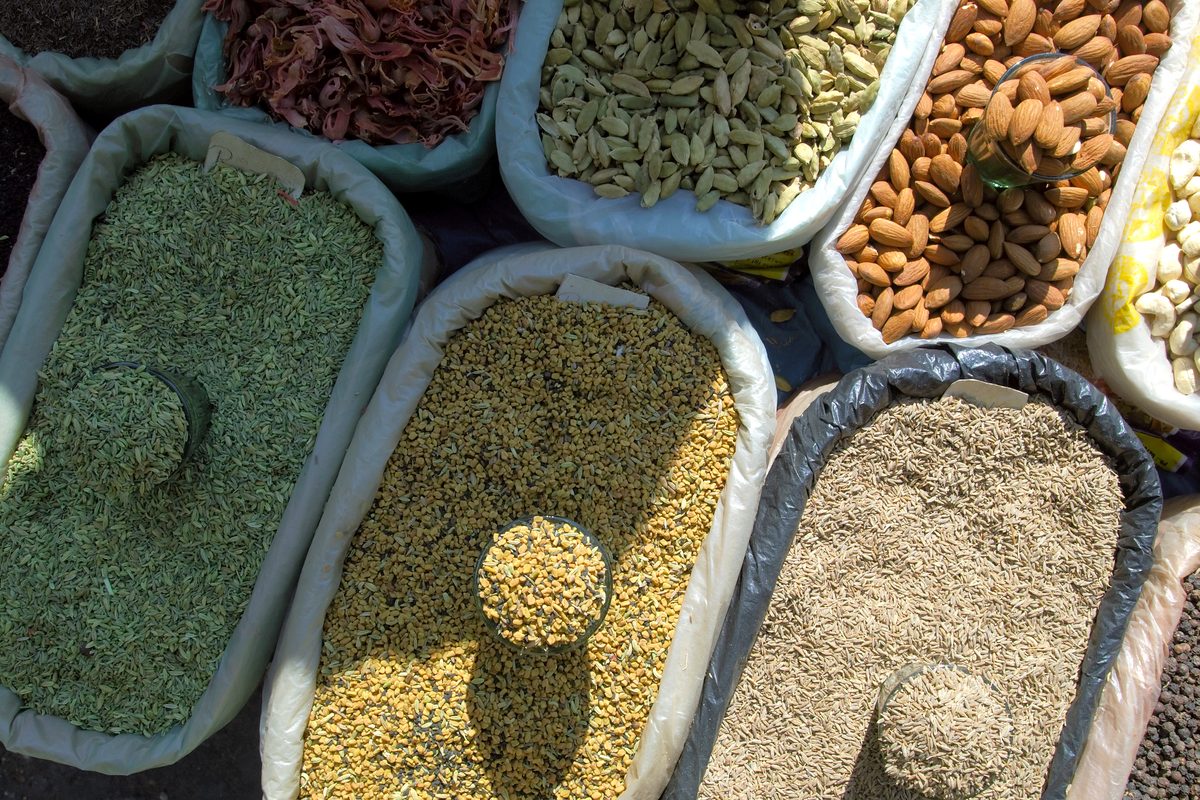
When buying food products internationally, checking the supplier’s price and product specifications is not enough. Importers also need to know whether the products meet the required quality and safety standards. This is where a Certificate of Analysis (COA) becomes important.
A COA provides laboratory-based information about a specific batch of food products. It helps buyers understand whether the product meets agreed specifications and provides greater confidence before accepting a shipment. Choosing a reliable food export supplier is equally important because quality documentation is only useful when it comes from a trustworthy supply chain.
In this guide, we’ll explain what a Certificate of Analysis is, what information it contains, and why it is important for food importers and international buyers.
What is a Certificate of Analysis (COA)?
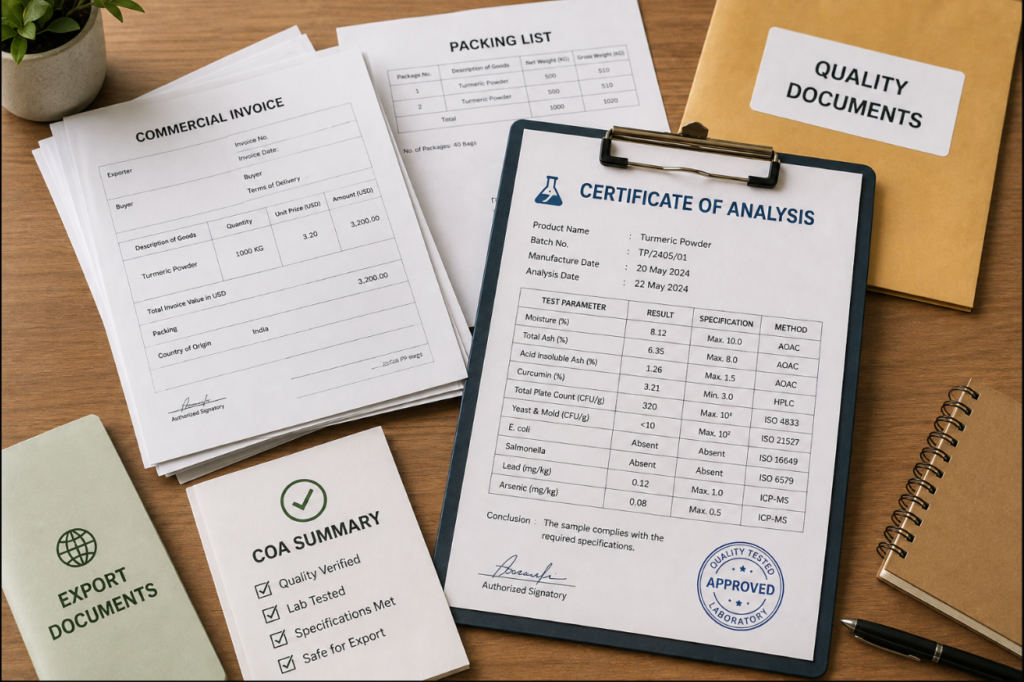
A Certificate of Analysis (COA) is a document that reports the results of laboratory testing performed on a particular product or batch. It typically compares the test results with predefined product specifications or quality requirements.
For example, a COA for exported turmeric powder may include information about:
- Moisture content
- Microbiological parameters
- Foreign matter
- Color
- Pesticide residues
- Heavy metals
- Other relevant quality parameters
The exact tests included in a COA depend on the product, buyer requirements, destination country, and applicable regulations.
Why is a COA Important for Food Importers?
A COA gives buyers additional information about the quality and safety of the products they are purchasing.
1. Helps Verify Product Quality
A COA provides test results that can be compared with the agreed product specifications. This allows buyers to check whether the batch meets their required standards before accepting the shipment.
2. Supports Food Safety Checks
Food products may need to meet specific microbiological, chemical, or physical requirements. Laboratory testing can help identify potential issues before products reach the market. These testing practices work alongside broader food safety systems such as HACCP certification, which helps businesses identify and control food safety hazards.
3. Improves Supplier Transparency
A professional supplier should be able to provide appropriate quality documentation when requested. Regular and consistent testing can also help buyers develop greater confidence in their supply chain.
4. Helps With Import Compliance
Depending on the product and destination market, importers may need specific testing or documentation to demonstrate compliance with local requirements. For Indian food businesses, applicable requirements can be checked through the Food Safety and Standards Authority of India (FSSAI), including its food product standards and regulations.
A COA can form an important part of the overall quality documentation. See our guides on FDA registration for US food exports and APEDA registration for more on required documentation.
What Information Does a COA Usually Contain?
A Certificate of Analysis can vary depending on the product and laboratory, but it commonly includes several important details.
Product Information
This may include:
- Product name
- Batch or lot number
- Production date
- Manufacturing details
- Sample information
Test Parameters
The document identifies the parameters that were tested. For example, a spice COA may include moisture, microbial testing, foreign matter, pesticide residues, or other parameters relevant to the product.
Test Results
The COA provides the actual laboratory results obtained from the tested sample. These results can then be compared with the required specifications.
Laboratory Information
A COA may also identify the laboratory that performed the testing and provide relevant testing or report information. Importers should review this information carefully when evaluating supplier documentation.
COA vs Product Specification: What’s the Difference?
These two documents are often confused, but they serve different purposes. A Product Specification describes what the product is expected to meet. A COA reports what the laboratory testing found for a particular batch. For example:
Product Specification: Moisture should be below the agreed maximum level.
COA: The laboratory test reports the actual moisture result for the tested batch.
In simple terms, the specification describes the requirement, while the COA provides test results.
When Should Importers Request a COA?
Importers can request a COA at different stages of the purchasing process.
Before Bulk Orders
Requesting a sample COA can help you understand the supplier’s testing and documentation practices before placing a large order.
Before Shipment
For products requiring batch-specific testing, buyers may request the COA for the actual shipment before the goods are dispatched.
During Quality Inspection
The COA can also be reviewed alongside physical inspection and other quality documents.
For long-term supply relationships, buyers may establish specific testing requirements with the supplier in advance.
What Should Buyers Check on a COA?
Receiving a COA is only the first step. Buyers should also review it carefully. Check whether:
- The product name matches the ordered product
- The batch number is correct
- The test date is appropriate
- The tested parameters match your requirements
- Results meet agreed specifications
- The laboratory information is available
- The document is consistent with other shipment records
If something appears unclear or inconsistent, ask the supplier for clarification before accepting the shipment.
Does Every Food Product Need the Same COA?
No. Different food products require different testing parameters. For example, the quality requirements for rice may differ from those for turmeric, cumin, sesame seeds, pulses, or dehydrated vegetables. Testing requirements can also vary depending on:
- Product type
- Destination country
- Intended use
- Buyer specifications
- Applicable food regulations
- Customer requirements
Therefore, importers should establish the required specifications before placing large orders.
How Maati Farms Supports Quality-Focused Buyers
At Maati Farms, we understand that international buyers need more than competitive pricing. They need reliable products, clear specifications, and appropriate quality documentation.
We help buyers source premium Indian agricultural products such as:
- Spices
- Rice
- Sesame seeds
- Pulses
- Herbs
- Dehydrated vegetables
- Edible oils
Frequently Asked Questions
Is a COA the same as a laboratory report?
A COA is a quality document that presents test results for a product or batch. The exact format and level of detail can vary depending on the laboratory, product, and buyer requirements.
Who issues a Certificate of Analysis?
A COA is generally issued by the manufacturer, supplier, or an authorized testing laboratory based on applicable testing and documentation practices.
Should importers request a COA for every shipment?
It depends on the product, buyer agreement, destination-country requirements, and risk level. For products requiring batch-specific testing, a COA for each relevant batch may be appropriate.
Can a COA guarantee product quality?
A COA provides valuable laboratory test information, but it should be considered alongside product specifications, supplier credentials, inspections, certifications, and other quality-control measures.
Conclusion
A Certificate of Analysis (COA) is an important quality document for businesses involved in international food sourcing. It provides valuable information about the tested characteristics of a particular product batch and helps importers compare laboratory results with their required specifications.
However, a COA should not be viewed in isolation. Buyers should also evaluate the supplier’s certifications, product specifications, testing procedures, export experience, and overall quality-management system. By combining proper documentation with reliable supplier verification and quality checks, importers can reduce sourcing risks and build stronger international food supply chains.
For businesses sourcing Indian spices, rice, pulses, sesame seeds, herbs, and other agricultural products, working with a reliable export partner can make the entire procurement process more transparent and efficient.