

Choosing the right shipping term is one of the most important decisions in international trade. Two of the most commonly used Incoterms are FOB (Free on Board) and CIF (Cost, Insurance, and Freight). While both are widely accepted in global shipping, they differ in terms of cost, responsibility, and risk.
Understanding FOB vs CIF helps exporters and importers make informed decisions, avoid misunderstandings, and ensure smooth international transactions. At Maati Farms, we work closely with buyers to choose the shipping terms that best suit their business needs.
What Is FOB?
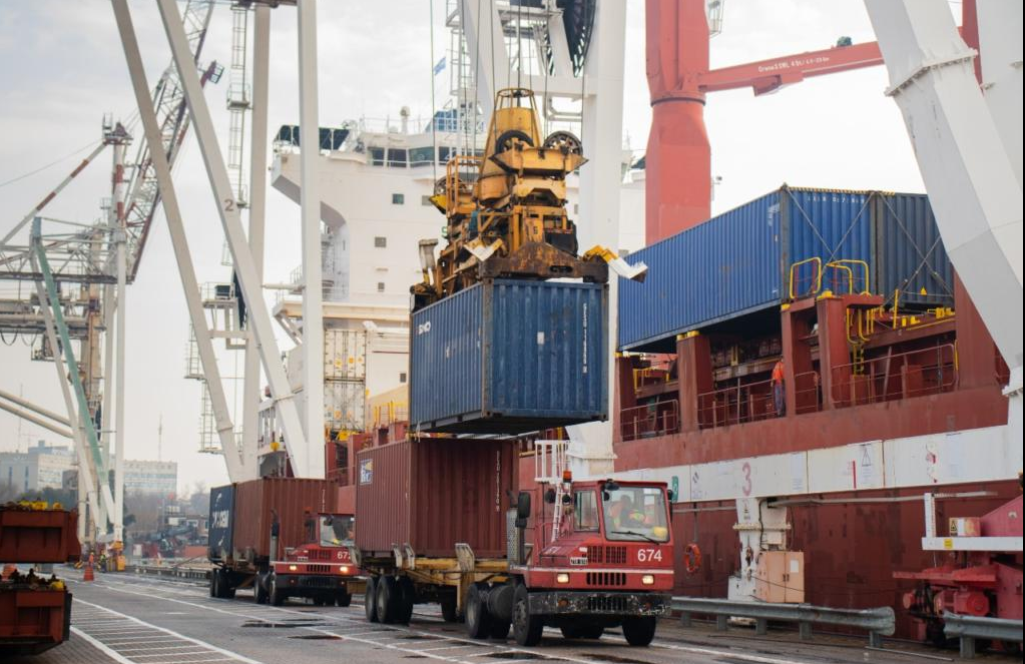
FOB (Free on Board) is an Incoterm where the seller is responsible for delivering the goods to the designated port and loading them onto the shipping vessel. Once the goods are on board, the responsibility and risk transfer to the buyer. FOB (Free on Board) is one of the internationally recognized Incoterms® 2020 Rules, which define the responsibilities of buyers and sellers during international trade.
Under FOB, the buyer arranges and pays for the main sea freight, insurance, and delivery from the destination port to the final location. Therefore, FOB is commonly used when buyers have trusted freight forwarders or want greater control over the shipping process.
What Is CIF?
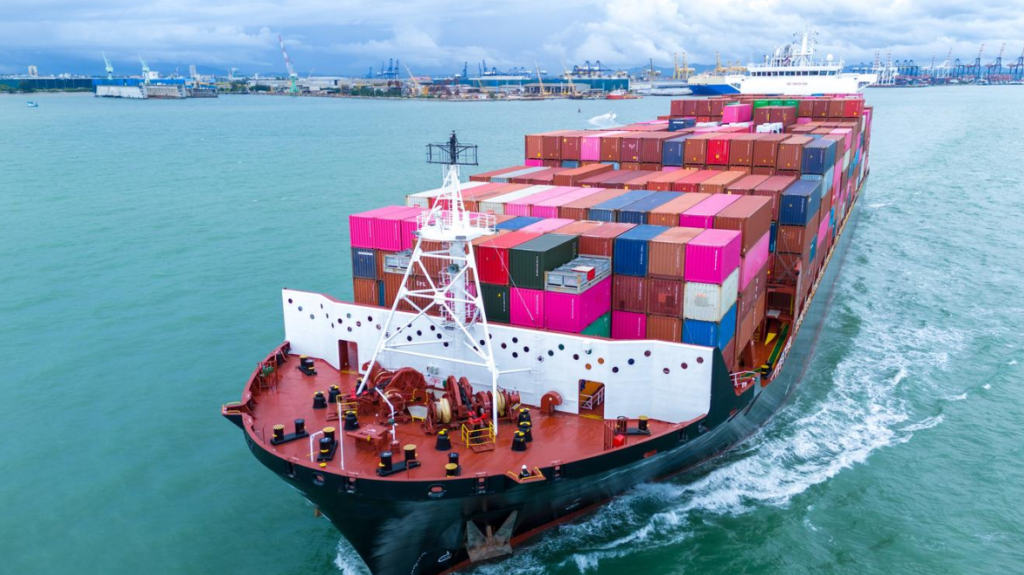
CIF (Cost, Insurance, and Freight) is an Incoterm where the seller is responsible for arranging and paying for the transportation of goods to the destination port. The seller also purchases marine insurance for the shipment.
Although the seller pays for freight and insurance, the risk transfers to the buyer once the goods are loaded onto the vessel at the port of origin. CIF is often preferred by buyers who want a simpler shipping process and do not wish to arrange logistics independently.
FOB vs CIF: Key Differences
| Feature | FOB | CIF |
|---|---|---|
| Full Form | Free on Board | Cost, Insurance, and Freight |
| Freight Charges | Buyer Pays | Seller Pays |
| Marine Insurance | Buyer Arranges | Seller Arranges |
| Export Customs Clearance | Seller | Seller |
| Import Customs Clearance | Buyer | Buyer |
| Delivery to Port | Seller | Seller |
| Risk Transfer | When goods are loaded on the vessel | When goods are loaded on the vessel |
| Best For | Experienced importers | First-time importers |
Advantages of FOB
FOB offers several benefits for buyers and sellers:
- Greater control over shipping arrangements.
- Flexibility in choosing freight forwarders.
- Better visibility of transportation costs.
- Easier negotiation with logistics providers.
- Suitable for businesses with international shipping experience.
Advantages of CIF
CIF is a convenient option for many international buyers because:
- The seller arranges freight and insurance.
- Buyers deal with fewer logistics providers.
- Shipping management becomes simpler.
- It includes Insurance coverage .
- Ideal for businesses new to importing.
When Should You Choose FOB?
FOB is a good choice when:
- You have experience in international trade.
- You already work with a reliable freight forwarder.
- You want complete control over shipping costs.
- You can arrange better insurance and freight rates.
- You regularly import goods from multiple countries.
When Should You Choose CIF?
Similarly, CIF is recommended when:
- You are a first-time importer.
- You prefer the seller to manage shipping.
- You want a simplified buying process.
- You do not have logistics partners.
- You need insurance arranged by the exporter.
Common Mistakes to Avoid
Businesses should avoid these common mistakes when selecting shipping terms:
- Assuming FOB includes freight charges.
- Believing CIF transfers risk at the destination port.
- Ignoring marine insurance coverage details.
- Not confirming the agreed Incoterm in the sales contract.
- Choosing an Incoterm without understanding the responsibilities of each party.
Discussing shipping terms before finalizing an order helps prevent delays, unexpected costs, and disputes.
Related Export Documents
FOB and CIF shipments are supported by several essential export documents, including:
- Commercial Invoice
- Packing List
- Bill of Lading
- Shipping Bill
- Certificate of Origin
- Air Waybill (for air shipments)
- Phytosanitary Certificate (for agricultural exports)
- Fumigation Certificate (when required)
Read more here about:
- Commercial Invoice in Export
- Packing List in Export
- Shipping Bill in Export
- Air Waybill (AWB): Complete Guide
- HS Code Explained
- What Is a Certificate of Origin & Why It Matters
- Customs Clearance Process in India
- Proforma Invoice vs Commercial Invoice
Why Choose Maati Farms?
At Maati Farms, we help buyers choose the most suitable shipping terms based on their business requirements. Whether you prefer FOB for greater logistics control or CIF for a hassle-free shipping experience, our export team ensures timely deliveries and complete documentation.
We provide:
- Premium agricultural products
- Flexible shipping options
- Complete export documentation
- Customized packaging
- Reliable international logistics
- Dedicated customer support
Our goal is to make international sourcing simple, transparent, and efficient for buyers across the world.
Conclusion
Both FOB and CIF are trusted Incoterms used in international trade, but they suit different business needs. FOB gives buyers greater control over shipping, while CIF offers convenience by allowing the seller to arrange freight and insurance.
Before placing an international order, buyers and sellers should clearly agree on the shipping term to avoid misunderstandings and ensure a smooth trading experience.
At Maati Farms, we guide our customers through every stage of the export process, helping them select the right shipping terms and ensuring reliable global deliveries. Exporters should also complete customs procedures through the ICEGATE portal to facilitate smooth international shipments.
Frequently Asked Questions
What is the main difference: FOB vs CIF?
Under FOB, the buyer pays for freight and insurance after the goods are loaded onto the ship. Under CIF, the seller pays for freight and marine insurance to the destination port.
Which is better, FOB or CIF?
It depends on your experience. FOB is suitable for buyers who want control over logistics, while CIF is ideal for buyers seeking a simpler shipping process.
Who pays for insurance under CIF?
The seller is responsible for arranging and paying for marine insurance under CIF.
Does FOB include shipping charges?
No. Under FOB, the buyer pays the ocean freight and insurance after the buyer loads the goods onto the vessel.