
Exporting agricultural products involves more than sourcing quality produce and arranging international shipping. Every shipment must comply with the import regulations of the destination country. One of the most important documents required for exporting agricultural commodities is the Phytosanitary Certificate for export.
Whether you export sesame seeds, flax seeds, sunflower seeds, dehydrated vegetables, spices, or other agricultural products, this certificate assures importing countries that the shipment is free from harmful pests and plant diseases.
At Maati Farms, we understand the importance of export compliance and ensure that every eligible shipment meets international phytosanitary requirements for hassle-free global trade.
What Is a Phytosanitary Certificate?

A Phytosanitary Certificate (PSC) is an official document issued by the National Plant Protection Organization (NPPO) of the exporting country. In India, it is issued by the Directorate of Plant Protection, Quarantine & Storage (DPPQS) under the Ministry of Agriculture.
The certificate confirms that exported plant products have been inspected and comply with the plant health regulations of the importing country.
Simply put, it certifies that the shipment is free from harmful insects, diseases, weeds, and other quarantine pests.
Why Is a Phytosanitary Certificate Important?
Many countries require a Phytosanitary Certificate for export before allowing agricultural products to enter their markets.
It helps:
- Prevent the spread of plant diseases
- Protect agricultural ecosystems
- Ensure international trade compliance
- Simplify customs clearance
- Reduce shipment delays
- Build buyer confidence
Without a valid certificate, shipments may be delayed, rejected, or even destroyed by customs authorities.
Products That Commonly Require a Phytosanitary Certificate
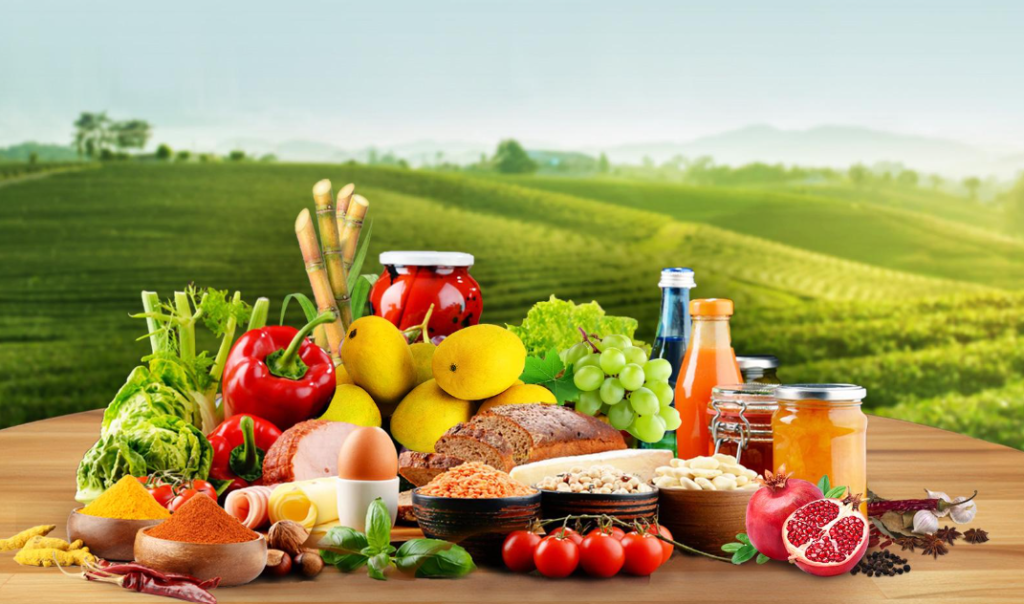
A Phytosanitary Certificate is generally required for exporting:
- Oil seeds
- Spices
- Pulses
- Fresh fruits
- Fresh vegetables
- Grains
- Herbs
- Seeds for sowing
- Dehydrated agricultural products
- Plant-based raw materials
Information Included in a Phytosanitary Certificate
A standard certificate contains:
- Exporter details
- Importer details
- Country of origin
- Destination country
- Scientific name of the product
- Quantity
- Botanical description
- Inspection details
- Additional declarations (if required)
- Official stamp and signature
Providing accurate information ensures faster customs processing.
How Is a Phytosanitary Certificate Issued?

The process generally involves the following steps:
- Submit an application to the Plant Quarantine Office.
- Schedule an inspection of the shipment.
- Officials inspect the goods for pests and diseases.
- If the shipment complies with regulations, the certificate is issued.
- The certificate accompanies the export documents during shipment.
Following the correct process helps avoid unnecessary delays.
Common Reasons for Rejection
Export shipments may fail inspection due to:
- Presence of insects or pests
- Excess moisture
- Contaminated packaging
- Improper storage
- Incorrect documentation
- Failure to meet importing country requirements
Therefore, maintaining proper quality control before shipment is essential.
Related Export Documents
A Phytosanitary Certificate for export is usually submitted along with:
- Commercial Invoice. Read our blog here: Commercial Invoice in Export
- Packing List. Read our blog here: Packing List in Export
- Bill of Lading
- Certificate of Origin
- Shipping Bill
- Fumigation Certificate (if required)
- Insurance Documents
Together, these documents help ensure smooth international trade.
Why Choose Maati Farms?
At Maati Farms, we understand the documentation requirements for exporting agricultural products across international markets.
Our experienced team assists buyers by ensuring:
- Premium-quality agricultural products
- Export-compliant documentation
- Reliable sourcing
- Professional packaging
- Timely shipments
- Dedicated export support
Whether you are importing oil seeds, spices, dehydrated vegetables, or superfoods, we help simplify the export process from India.
Conclusion
A Phytosanitary Certificate for export plays a vital role in international agricultural trade. It not only protects importing countries from harmful pests but also helps exporters comply with global plant health regulations.
By partnering with Maati Farms, international buyers benefit from quality products, accurate documentation, and reliable export support that ensures smooth customs clearance and timely deliveries.
Frequently Asked Questions
1. Is a Phytosanitary Certificate for export mandatory?
It depends on the importing country’s regulations. However, it is mandatory for many agricultural exports.
2. Who issues a Phytosanitary Certificate in India?
The Directorate of Plant Protection, Quarantine & Storage (DPPQS) issues the certificate through authorized Plant Quarantine offices.
3. Which products require a Phytosanitary Certificate?
Seeds, grains, spices, fresh fruits, vegetables, herbs, pulses, and many agricultural products generally require one.
4. Can a shipment be rejected without a Phytosanitary Certificate?
Yes. If the importing country requires the certificate, customs authorities may reject or delay the shipment.
5. Does Maati Farms assist with export documentation?
Yes. We provide complete export documentation support, including guidance on the documents required for international shipments.