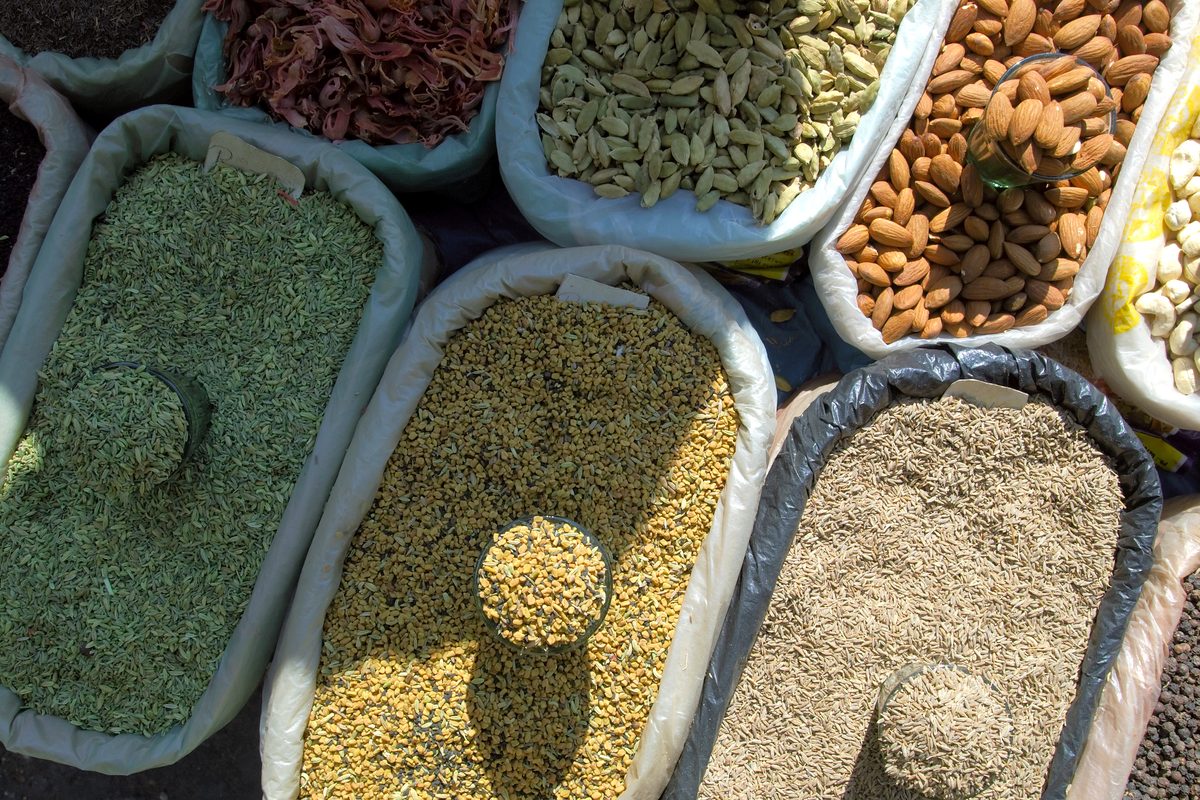
India has long been one of the world’s leading producers of sesame seeds, supplying high-quality products to food manufacturers, oil processors, wholesalers, and retailers across the globe.
As consumers increasingly prefer natural and nutrient-rich ingredients, the demand for Indian sesame seeds continues to rise and so is Sesame Seeds Export from India. Whether used in bakery products, health foods, edible oils, or traditional cuisines, sesame seeds remain a valuable agricultural commodity in international markets.
Why Indian Sesame Seeds Are in Demand
Indian sesame seeds are known for their purity, rich oil content, and consistent quality. In addition, India’s favorable climate and extensive farming network enable year-round production and reliable supply.
Buyers often choose India because of:
- Competitive pricing
- Multiple sesame varieties
- Strong export infrastructure
- International quality standards
- Flexible packaging options
Types of Sesame Seeds Export from India
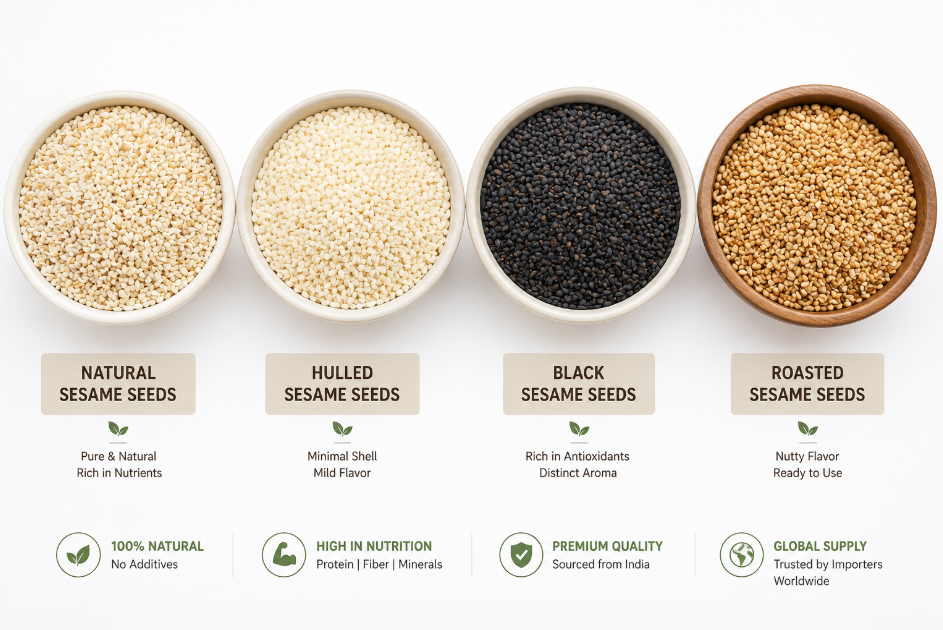
Natural White Sesame Seeds
These are commonly used in bakery products, confectionery, and edible oil extraction.
Hulled Sesame Seeds
With the outer shell removed, hulled sesame seeds are widely used by premium food brands and tahini manufacturers.
Black Sesame Seeds
Popular in Asian cuisines and specialty food products due to their distinctive appearance and flavor.
Roasted Sesame Seeds
Frequently used in snacks, seasoning blends, and ready-to-eat foods.
Global Demand for Sesame Seeds
The global market for sesame seeds is expanding due to growing interest in healthy and plant-based foods.
Major importing countries include:
- Germany
- France
- Netherlands
- UAE
- Saudi Arabia
- Japan
- South Korea
- United States
- Canada
European markets, in particular, are witnessing increased demand for natural and organic ingredients.
Applications of Sesame Seeds
Sesame seeds are used across multiple industries.
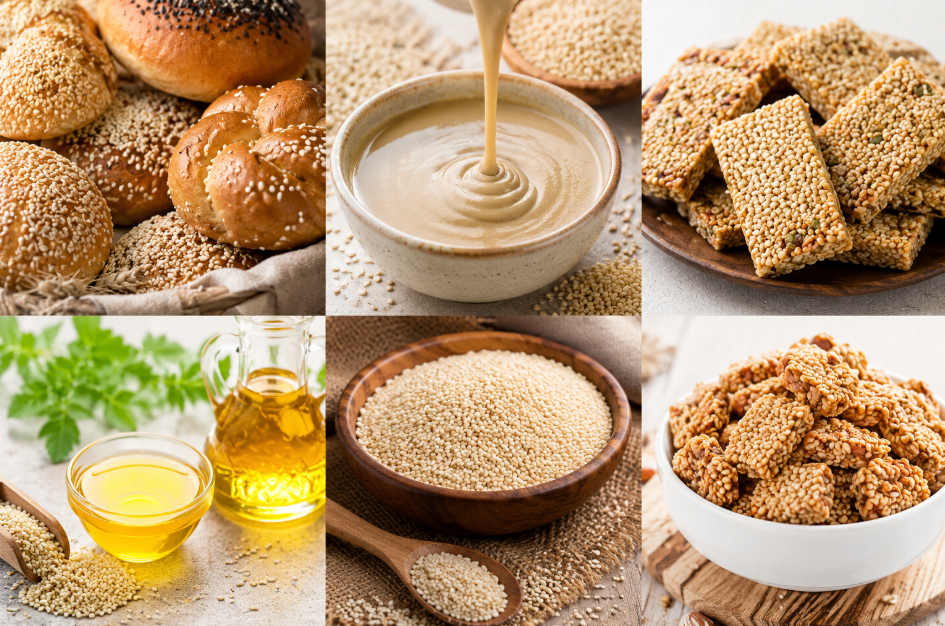
Bakery Industry
Bread, buns, crackers, and cookies often contain sesame seeds for flavor and texture.
Edible Oil Industry
Sesame oil remains a popular cooking ingredient in many countries.
Health Foods
Protein bars, granola, and superfood blends frequently include sesame seeds because of their nutritional benefits.
Confectionery
Products such as halwa, tahini, and sesame snacks depend heavily on quality sesame seeds.
Quality Standards and Certifications
International buyers expect suppliers to maintain strict quality standards. Common certifications include:
- APEDA Registration
- FSSAI Compliance
- HACCP Certification
- ISO Standards
Packaging Options
Depending on buyer requirements, sesame seeds can be supplied in:
- 25 kg export bags
- 50 kg export bags
- Food-grade packaging
- Retail packs
- Private-label packaging
For businesses looking to launch their own products, customized packaging solutions are also available. Read more on Private Label Food Business.
Why Source Sesame Seeds from Maati Farms
At Maati Farms, we help international buyers connect with verified suppliers and reliable sourcing networks across India. Our support includes:
- Supplier verification
- Quality assurance
- Export documentation
- Packaging assistance
- Logistics coordination
We focus on simplifying the sourcing process while maintaining product quality and transparency. Read more about Makhana Export from India and Exporting Superfoods from India to Australia.
Frequently Asked Questions
Which sesame seed variety is most exported?
Natural white sesame seeds and hulled sesame seeds account for the majority of exports.
Which countries import sesame seeds from India?
Germany, UAE, Japan, France, USA, and Canada are among the major importers.
Are sesame seeds used only for oil production?
No. They are widely used in bakery products, health foods, confectionery, and snack manufacturing.
Conclusion
Sesame seeds continue to be one of India’s most important agricultural exports. Their versatility, nutritional value, and growing global demand make them an attractive product for importers and food manufacturers worldwide.
For businesses seeking reliable sourcing solutions, India offers quality products, competitive pricing, and a well-established export ecosystem.