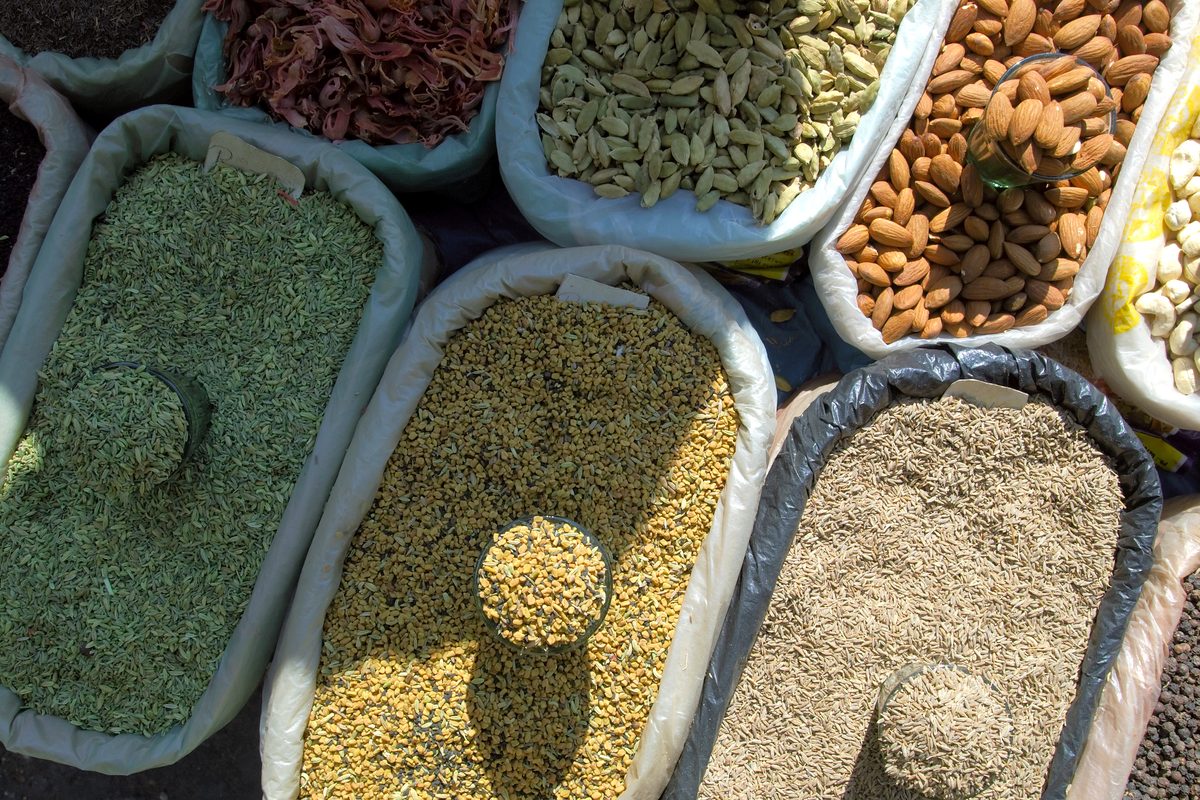
The United States is one of the largest importers of Indian food products, creating huge opportunities for Indian exporters, manufacturers, and suppliers. From Indian spices and rice to organic products, snacks, pulses, tea, and processed foods, the demand for authentic Indian products in the U.S. market continues to grow rapidly.
For businesses looking to enter the global export market, understanding the export process, certifications, packaging standards, and shipping requirements is essential. In this guide, we will explain everything you need to know about how to export food products to USA from India successfully.
If you are planning to expand your food export business globally, Maati Farms can help you simplify the process with trusted sourcing, export assistance, and global trade expertise.
Maati Farms already supplies active buyers in the USA – happy to share references and discuss how we can work together.
Market Overview of Indian Food Exports to USA

India is one of the world’s leading exporters of agricultural and processed food products. Products such as spices, rice, tea, coffee, ready-to-eat meals, frozen foods, organic products, and pulses have gained massive popularity in the United States.
The U.S. market offers excellent opportunities because of:
- Growing Indian diaspora population
- Increasing popularity of Indian cuisine
- Rising demand for organic and healthy foods
- Expansion of ethnic food supermarkets
- High consumption of spices and ready-to-cook meals
Indian exporters can benefit significantly by meeting U.S. quality standards and consumer preferences.
Why Demand for Indian Food Products is Growing in USA
Several factors are driving the increasing demand for Indian food products in the American market:
1. Popularity of Indian Cuisine
Indian dishes such as curry, biryani, samosas, masala chai, and spice blends are becoming mainstream in the U.S.
2. Health-Conscious Consumers
Products like turmeric, millets, herbal teas, organic spices, and plant-based foods are highly preferred by health-conscious consumers.
3. Rising South Asian Population
The growing Indian and South Asian communities in the USA create consistent demand for authentic Indian grocery products.
4. Expansion of Ethnic Grocery Stores
Indian supermarkets and online grocery platforms in the U.S. are rapidly expanding, increasing opportunities for Indian exporters.
5. Growth in Organic and Natural Products
Organic Indian food products are becoming highly popular due to clean-label and sustainable food trends.
Major Importing Countries for Indian Food Products
Although the USA is a major importer, Indian food products are also exported to several other countries globally.
Top importing countries include:
- United States
- United Arab Emirates
- United Kingdom
- Canada
- Australia
- Saudi Arabia
- Singapore
- Germany
- Netherlands
- Malaysia
The U.S. remains one of the most profitable export destinations for Indian food exporters because of its large consumer market and high purchasing power.
Quality Standards Required for Exporting Food to USA
Food exports to the United States are strictly regulated. Exporters must comply with U.S. FDA and food safety regulations.
Important quality standards include:
FDA Registration
The U.S. Food and Drug Administration (FDA) requires food facilities involved in manufacturing, processing, packing, or storing food products for U.S. consumption to register with the FDA.
FSSAI License
Indian exporters must obtain an FSSAI license for food processing and handling.
APEDA Registration
Exporters dealing with agricultural and processed food products should register with APEDA.
HACCP Compliance
Hazard Analysis and Critical Control Points (HACCP) certification helps ensure food safety standards are maintained throughout production.
Proper Food Labeling
FDA labeling rules must be followed carefully, including:
- Ingredients list
- Nutrition facts
- Allergen declaration
- Country of origin
- Manufacturing details
- Expiry date
Improper labeling is one of the major reasons for shipment rejection.
Packaging Requirements for Food Export
Packaging plays a major role in maintaining product quality during international shipping.
Key Packaging Requirements
Food-Grade Packaging
Use FDA-compliant food-grade materials to avoid contamination.
Moisture Protection
Products like spices and dry foods should be protected from humidity and moisture.
Vacuum Packaging
Vacuum sealing helps extend shelf life for many food products.
Temperature-Controlled Packaging
Frozen and perishable foods require cold-chain logistics.
Strong Export Cartons
Packaging must withstand long-distance shipping and handling.
Barcode and Labeling
Proper barcodes, product information, and export labels are essential. Using attractive and secure packaging also improves brand value in international markets.
Certifications Required for Exporting Food Products
Here are the major certifications commonly required:
| Certification | Purpose |
|---|---|
| IEC (Import Export Code) | Mandatory for exports from India |
| FSSAI License | Food safety compliance in India |
| APEDA Registration | Agricultural export authorization |
| FDA Registration | Mandatory for U.S. food exports |
| HACCP Certification | Food safety management |
| ISO 22000 | International food safety standard |
| Organic Certification | Required for organic food exports |
| Phytosanitary Certificate | Plant-based product exports |
Obtaining the right certifications increases buyer trust and simplifies customs clearance.
Shipping Process for Export of Food Products to USA

The export process involves several important steps.
Step 1: Obtain IEC Code
Apply for an Import Export Code (IEC) from DGFT.
Step 2: Register with APEDA and FDA
Complete all required registrations before exporting.
Step 3: Product Testing and Quality Check
Ensure products meet U.S. import standards.
Step 4: Packaging and Labeling
Prepare export-compliant packaging.
Step 5: Documentation
Required documents generally include:
- Commercial Invoice
- Packing List
- Bill of Lading
- Certificate of Origin
- Health Certificate
- FDA Prior Notice
Step 6: Customs Clearance
Both Indian customs and U.S. customs approvals are required.
Step 7: Shipping
Choose between:
- Air Freight (fast but expensive)
- Sea Freight (economical for bulk exports)
Proper logistics planning reduces delays and shipping costs.
Common Challenges in Export of Food Products to USA
Export of food products to USA can be highly profitable, but exporters often face several challenges.
Regulatory Compliance
FDA rules and import regulations are strict and frequently updated.
Packaging Issues
Incorrect packaging can damage products during transit.
Customs Delays
Incomplete documentation may cause shipment delays.
Product Shelf Life
Maintaining freshness during long shipping periods is critical.
High Competition
Indian exporters face strong competition from global suppliers.
Logistics Costs
Freight and cold-chain transportation can increase operational expenses. Working with experienced export partners can help businesses overcome these challenges efficiently.
Popular Indian Food Products We Export to the USA
Some of the Indian food products most in demand among US importers and ethnic grocery buyers include:
- Black pepper – whole and ground, widely used in US food processing and retail
- Turmeric – growing demand driven by health-conscious consumers and the wellness food trend
- Makhana (fox nuts) – a fast-growing healthy snack category in US natural foods stores
- Sesame seeds – used across bakery, confectionery, and health food applications
Why Choose Maati Farms for Food Exports?
Maati Farms helps businesses connect with global buyers and simplifies the export process for Indian agricultural and food products.
Benefits of Working with Maati Farms
- Trusted export support
- Quality-focused sourcing
- Assistance with documentation
- Global buyer connections
- Competitive pricing
- Reliable logistics support
- Expertise in agricultural exports
- Customized export solutions
Whether you are a manufacturer, supplier, or new exporter, Maati Farms can help you expand your business internationally with confidence.
Frequently Asked Questions (FAQ)
1. What food products are highly exported from India to USA?
Popular exports include spices, rice, tea, coffee, snacks, pulses, frozen foods, organic products, and ready-to-eat meals.
2. Is FDA registration mandatory for export of food products to USA?
Yes, FDA registration is mandatory for facilities involved in manufacturing, processing, packaging, or storing food products for U.S. consumption.
3. What documents are required for food exports?
Common documents include IEC, commercial invoice, packing list, bill of lading, FDA registration, certificate of origin, and health certificates.
4. Which shipping method is best for food exports?
Air freight is best for perishable goods, while sea freight is more economical for non-perishable products.
5. How can I start exporting food products from India?
You need an IEC code, FSSAI license, FDA registration, export documentation, and reliable logistics support to begin exporting.
6. Does APEDA registration help in food exports?
Yes, APEDA registration supports exporters dealing with agricultural and processed food products.
Final Thoughts
Export of food products to USA from India offers excellent business opportunities for Indian exporters. However, success depends on proper certifications, quality control, packaging standards, logistics management, and compliance with U.S. regulations.
With the right export partner, businesses can expand globally and build long-term international trade relationships. If you are looking for reliable export assistance and global sourcing solutions, connect with Maati Farms today and take your food export business to the international market.