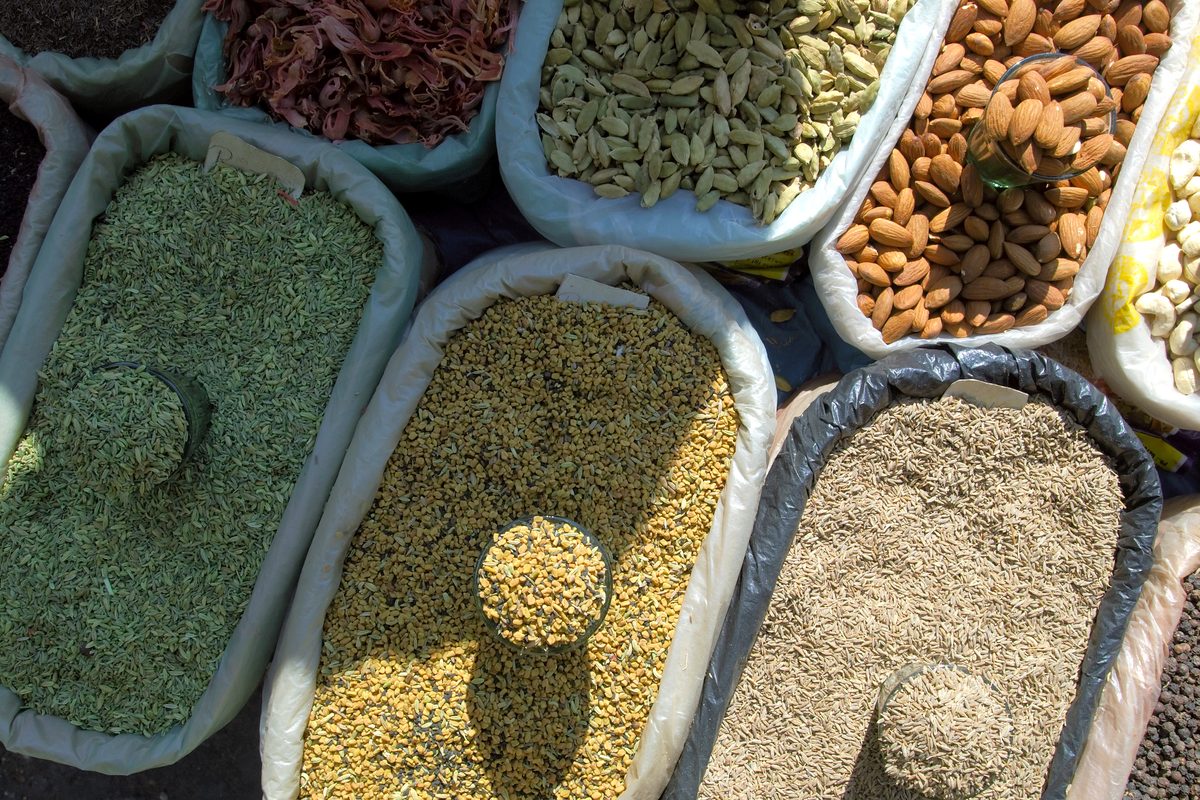

India is known globally as the “Land of Spices” and remains one of the largest spice exporters in the world. Saudi Arabia is one of the major importers of Indian spices due to the increasing demand for authentic flavors, traditional cuisines, and premium-quality food ingredients.
From turmeric, cumin, coriander, cardamom, black pepper, and red chili powder to spice blends and masalas, Indian spices are highly preferred in the Saudi Arabian market.
If you are planning to start a spice export business or expand globally, this guide will help you understand the complete process to export spices to Saudi Arabia from India, including certifications, packaging, documentation, shipping, and market opportunities.
For reliable sourcing and export support, Maati Farms helps businesses connect with international buyers and simplify agricultural exports.
Market Overview of Indian Spice Exports
India is the world’s largest producer and exporter of spices. Indian spices are exported to more than 180 countries, and Saudi Arabia is among the top import destinations in the Middle East.

Saudi Arabia imports large quantities of:
- Turmeric
- Red Chili
- Black Pepper
- Cumin Seeds
- Coriander
- Cardamom
- Cloves
- Garam Masala
- Curry Powder
- Spice Blends
The increasing popularity of Indian cuisine, hotels, restaurants, and processed food industries has significantly boosted spice imports in Saudi Arabia.
According to the Spices Board India, Indian spice exports continue to grow steadily because of high international demand and improved quality standards.
Why Demand for Indian Spices is Growing in Saudi Arabia

1. Strong Demand for Indian Cuisine
Indian restaurants and food chains in Saudi Arabia are increasing rapidly, creating high demand for authentic Indian spices.
2. Large Indian Expat Population
Saudi Arabia has a large South Asian population that regularly consumes Indian spices and masalas.
3. Growing Food Processing Industry
Saudi Arabia’s packaged food and ready-to-cook sectors use Indian spices extensively.
4. Preference for Premium Quality
Indian spices are known globally for their aroma, flavor, and quality.
5. Increased Health Awareness
Spices like turmeric, black pepper, cinnamon, and cloves are gaining popularity for their health benefits.
Major Spices Exported to Saudi Arabia from India
| Spice Product | Demand Level |
|---|---|
| Turmeric | High |
| Red Chili Powder | High |
| Black Pepper | High |
| Cumin Seeds | High |
| Coriander Powder | Medium |
| Cardamom | High |
| Cloves | Medium |
| Garam Masala | High |
| Curry Powder | High |
| Mixed Spice Blends | High |
Quality Standards for Spice Export
Maintaining international quality standards is essential for exporting spices successfully.
Important Quality Requirements
FSSAI License
Food exporters in India must obtain an FSSAI license.
IEC Code
Import Export Code (IEC) from DGFT is mandatory for exports.
Spices Board Registration
Exporters should register with the Spices Board of India.
Saudi Food Authority Compliance
Products must comply with Saudi Food & Drug Authority (SFDA) import standards.
Product Testing
Spices should be tested for:
- Moisture content
- Pesticide residue
- Purity
- Contamination
- Adulteration
Proper Labeling
Labels should include:
- Product Name
- Ingredients
- Manufacturing Date
- Expiry Date
- Country of Origin
- Batch Number
- Net Weight
Incorrect labeling may lead to shipment rejection.
Packaging Requirements for Spice Export
Good packaging helps maintain freshness and product quality during international transportation.
Types of Packaging Used
Vacuum Packaging
Prevents moisture and extends shelf life.
Food-Grade Pouches
Used for retail spice packaging.
Bulk Packaging
Large export quantities are packed in HDPE bags or corrugated cartons.
Moisture-Proof Packaging
Essential for spices to maintain aroma and quality.
Customized Branding
Exporters can use private labeling and customized packaging for Saudi buyers.
Certifications Required for Exporting Spices
| Certification | Purpose |
|---|---|
| IEC Code | Mandatory export license |
| FSSAI License | Food safety compliance |
| Spices Board Registration | Spice export authorization |
| Certificate of Origin | Country verification |
| Phytosanitary Certificate | Plant product export compliance |
| Halal Certification | Important for Saudi Arabian market |
| ISO Certification | International quality standards |
| HACCP Certification | Food safety management |
Halal certification is highly important while exporting food products to Saudi Arabia.
Shipping Process to Export Spices to Saudi Arabia
Step 1: Obtain Export Licenses
Complete IEC, FSSAI, and Spices Board registrations.
Step 2: Source and Process Spices
Ensure spices meet export-quality standards.
Step 3: Packaging and Labeling
Prepare export-compliant packaging and labeling.
Step 4: Documentation
Required documents include:
- Commercial Invoice
- Packing List
- Bill of Lading
- Certificate of Origin
- Phytosanitary Certificate
- Insurance Certificate
Step 5: Customs Clearance
Complete customs procedures in both India and Saudi Arabia.
Step 6: Shipping
Choose:
- Air Freight for urgent shipments
- Sea Freight for bulk exports
Sea freight is commonly used for large spice consignments because it is cost-effective.
Common Challenges in Export Spices to Saudi Arabia
Regulatory Compliance
Exporters must follow strict import regulations and food safety standards.
Moisture Damage
Improper storage and packaging may reduce spice quality.
Market Competition
Competition from global spice exporters can affect pricing.
Logistics Delays
Shipping delays may impact freshness and delivery schedules.
Documentation Errors
Incorrect documentation can create customs issues. Partnering with experienced export companies can reduce these challenges significantly.
Why Choose Maati Farms for Spice Export?
Maati Farms helps exporters and buyers simplify agricultural trade with trusted sourcing and export support services.
Benefits of Choosing Maati Farms
- Reliable spice sourcing
- Quality-focused exports
- Competitive pricing
- Global buyer connections
- Export documentation support
- Customized packaging assistance
- Smooth logistics coordination
- Expertise in agricultural exports
Whether you are a new exporter or an established supplier, Maati Farms helps businesses expand into international markets confidently.
Frequently Asked Questions (FAQ)
1. Which Indian spices are most exported to Saudi Arabia?
Turmeric, cumin, chili powder, black pepper, cardamom, and spice blends are highly exported.
2. Is Halal certification necessary for spice export to Saudi Arabia?
Yes, Halal certification is highly recommended for food exports to Saudi Arabia.
3. What documents are required for exporting spices?
Documents include IEC, invoice, packing list, bill of lading, certificate of origin, and phytosanitary certificate.
4. Which shipping method is best for spices?
Sea freight is preferred for bulk shipments, while air freight is suitable for urgent deliveries.
5. How can I start exporting spices from India?
You need IEC registration, food safety certifications, export documentation, and reliable logistics support.
Final Thoughts
Saudi Arabia offers excellent opportunities for Indian spice exporters because of growing demand for authentic Indian flavors and premium-quality food ingredients.
Success in spice export depends on proper certifications, quality control, packaging, logistics, and market understanding. If you are planning to expand your spice business globally, Maati Farms can help you simplify the export process and connect with international buyers efficiently.