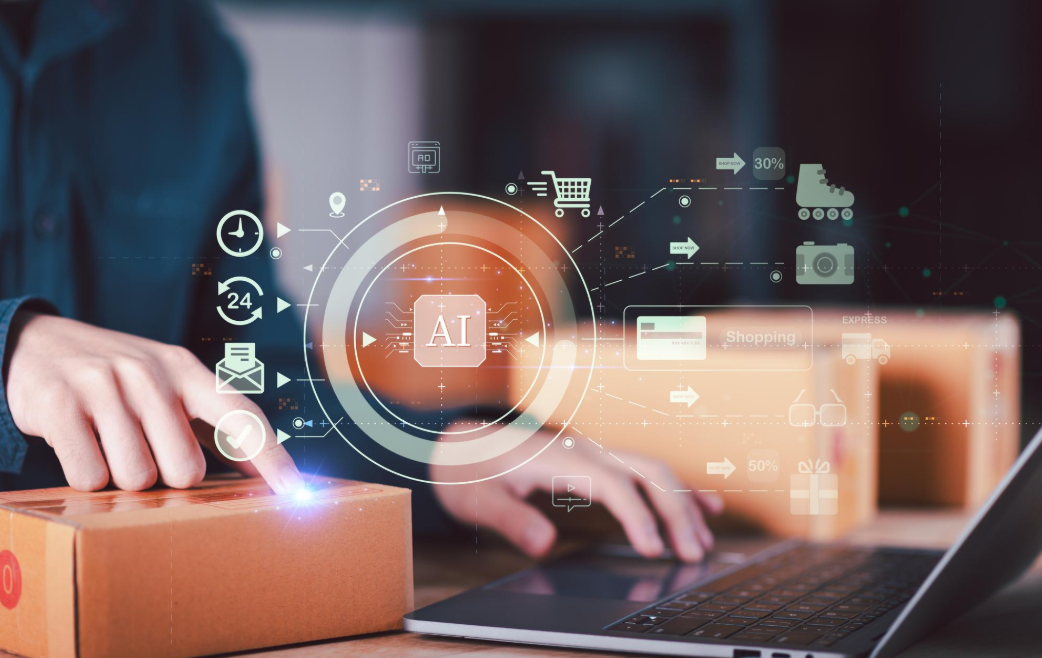
Artificial Intelligence (AI) is transforming global supply chains faster than ever before. From inventory management and demand forecasting to logistics optimization and automated warehouses, AI is helping businesses improve efficiency, reduce costs, and enhance decision-making across international trade operations.
As global trade becomes more complex, companies are increasingly adopting AI-powered technologies to manage supply chain disruptions, improve delivery speed, and maintain better visibility across operations.
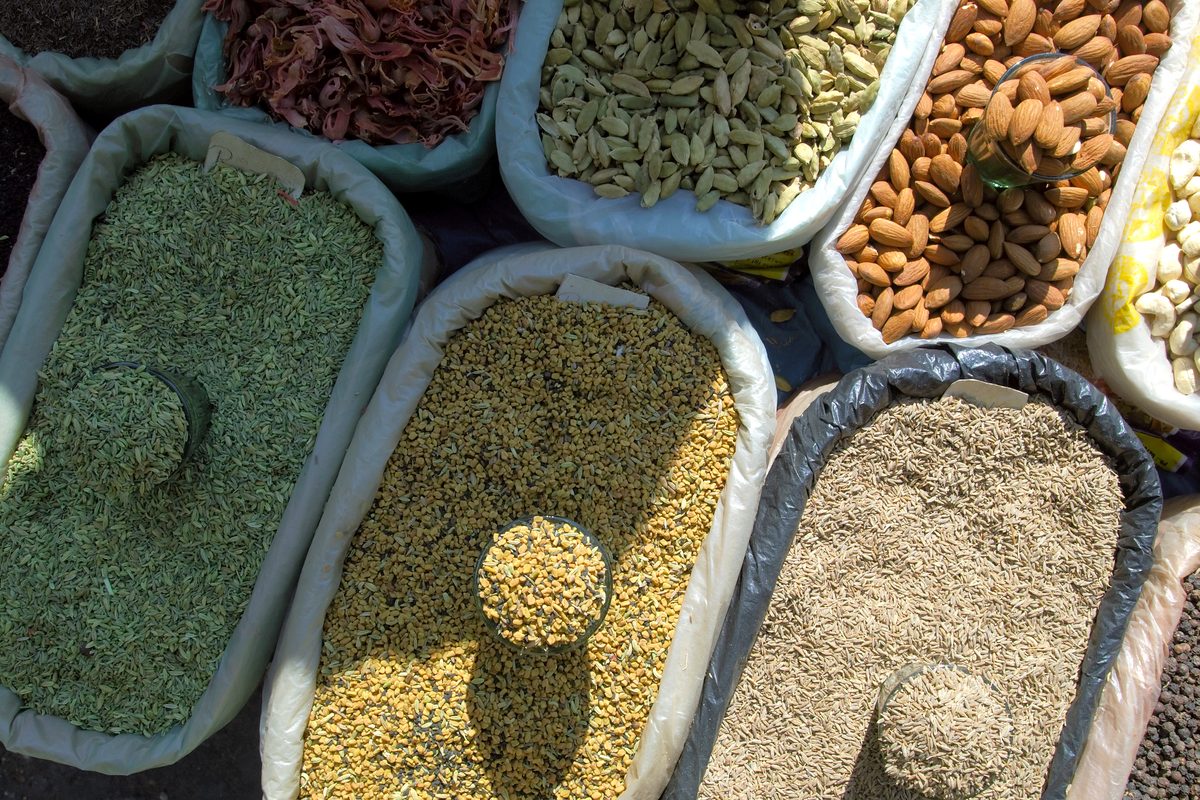
Industries including agriculture, food export, manufacturing, e-commerce, and logistics are now using AI to build smarter and more resilient supply chains. For businesses involved in agricultural exports and international trade, Maati Farms supports efficient sourcing and global trade solutions aligned with modern supply chain practices.
What is AI in Supply Chain Management?

AI in supply chain management refers to the use of artificial intelligence technologies such as machine learning, automation, predictive analytics, and data processing to optimize supply chain operations. AI helps businesses:
- Predict demand accurately
- Automate repetitive tasks
- Optimize transportation routes
- Reduce operational costs
- Improve warehouse management
- Detect supply chain risks
- Improve customer satisfaction
AI-powered systems analyze large amounts of data in real time, enabling faster and smarter business decisions.
Market Overview of AI in Global Supply Chains

The adoption of AI in logistics and supply chain management is growing rapidly worldwide. Industries using AI extensively include:
- Food and agriculture
- Retail and e-commerce
- Manufacturing
- Pharmaceutical
- Automotive
- International trade
- Shipping and logistics
Businesses are investing heavily in AI technologies because global supply chains require faster operations, better forecasting, and efficient resource management. According to IBM, AI helps businesses improve supply chain visibility, automate processes, and reduce disruptions.
Why AI is Becoming Important in Supply Chains
1. Growing Global Trade Complexity
International trade involves multiple suppliers, warehouses, shipping partners, and regulations. AI helps simplify these complex operations.
2. Faster Decision-Making
AI systems process data quickly and provide real-time insights for better business decisions.
3. Supply Chain Disruptions
Events like pandemics, geopolitical conflicts, and shipping delays have increased the need for predictive supply chain management.
4. Rising Customer Expectations
Customers expect faster deliveries and accurate order tracking.
5. Cost Reduction
AI helps businesses reduce waste, optimize routes, and improve operational efficiency.
Major Applications of AI in Global Supply Chains
| AI Application | Benefits |
|---|---|
| Demand Forecasting | Predicts product demand accurately |
| Inventory Management | Reduces overstock and shortages |
| Route Optimization | Improves transportation efficiency |
| Warehouse Automation | Speeds up order processing |
| Predictive Maintenance | Prevents equipment failures |
| Risk Management | Detects disruptions early |
| Chatbots & Customer Support | Improves customer communication |
| Quality Control | Detects product defects efficiently |
How AI is Transforming Logistics
Smart Route Optimization
AI analyzes traffic, weather, fuel costs, and delivery schedules to determine the best transportation routes.
Real-Time Shipment Tracking
AI-powered tracking systems provide accurate delivery updates and improve transparency.
Automated Warehouses
Robotics and AI systems help automate inventory handling, packaging, and order fulfillment.
Predictive Analytics
Businesses can predict delays, demand changes, and supply shortages before they happen.
Reduced Operational Costs
Helps reduce transportation expenses, fuel usage, and warehouse inefficiencies.
AI in Food and Agricultural Supply Chains
It is also revolutionizing agricultural exports and food supply chains.
Crop Monitoring
AI-powered systems monitor crop health, irrigation, and weather conditions.
Quality Inspection
Computer vision technology helps detect defects in food products automatically.
Demand Prediction
AI predicts global demand trends for agricultural products.
Cold Chain Optimization
AI helps maintain proper storage temperatures during transportation.
Export Documentation Automation
AI tools simplify export paperwork and logistics management.
Businesses involved in agricultural exports can benefit significantly from AI-driven supply chain solutions.
Benefits of AI in Global Supply Chains
Improved Efficiency
Automation reduces manual work and speeds up operations.
Better Forecasting
AI improves demand prediction accuracy.
Reduced Human Error
AI systems reduce mistakes in inventory and logistics management.
Enhanced Customer Experience
Faster deliveries and real-time tracking improve customer satisfaction.
Increased Profitability
Businesses save costs and improve operational performance.
Challenges of AI Adoption in Supply Chains
High Initial Investment
AI systems and infrastructure can be expensive for small businesses.
Data Security Risks
Managing large amounts of supply chain data increases cybersecurity concerns.
Lack of Skilled Workforce
Businesses require trained professionals to manage AI systems.
Integration Issues
Integrating AI with existing systems may be challenging.
Dependence on Technology
Overreliance on automation may create operational risks during system failures.
Despite these challenges, AI adoption continues to grow rapidly because of its long-term advantages.
Future Trends of AI in Supply Chains
Autonomous Delivery Systems
AI-powered drones and self-driving vehicles may transform logistics operations.
Blockchain Integration
AI combined with blockchain will improve supply chain transparency.
Smart Warehouses
Future warehouses will become increasingly automated and data-driven.
Sustainable Logistics
AI will help reduce fuel consumption and carbon emissions.
Hyper-Personalized Supply Chains
AI will enable customized logistics and faster delivery experiences.
The future of global trade will heavily depend on AI-powered technologies and intelligent supply chain systems.
Why Choose Maati Farms for Modern Export Solutions?
Maati Farms helps businesses simplify agricultural exports with reliable sourcing, logistics coordination, and efficient global trade support.
Benefits of Working with Maati Farms
- Trusted export assistance
- Quality-focused sourcing
- Global buyer connections
- Efficient logistics coordination
- Customized export solutions
- Competitive pricing
- Agricultural trade expertise
- Modern supply chain support
Maati Farms supports businesses looking to expand globally through efficient and reliable export operations.
Frequently Asked Questions (FAQ)
1. How is AI used in supply chains?
AI is used for demand forecasting, inventory management, route optimization, automation, and predictive analytics.
2. Why is AI important in logistics?
AI improves efficiency, reduces costs, speeds up deliveries, and enhances supply chain visibility.
3. Can AI help food exporters?
Yes, AI helps with quality inspection, cold chain management, demand forecasting, and export logistics.
4. What are the benefits of AI in supply chains?
Benefits include automation, reduced errors, cost savings, faster deliveries, and improved decision-making.
5. What are the challenges of AI adoption?
Challenges include high costs, integration issues, cybersecurity risks, and lack of skilled professionals.
Final Thoughts
Artificial Intelligence is transforming global supply chains by improving efficiency, reducing costs, and enabling smarter decision-making across industries. As international trade and logistics continue to evolve, businesses adopting AI-driven solutions will gain strong competitive advantages in global markets. From agriculture and food exports to logistics and retail, AI is becoming essential for building resilient and efficient supply chains.
If you are looking for reliable export support and modern global trade solutions, Maati Farms can help simplify your international business operations.