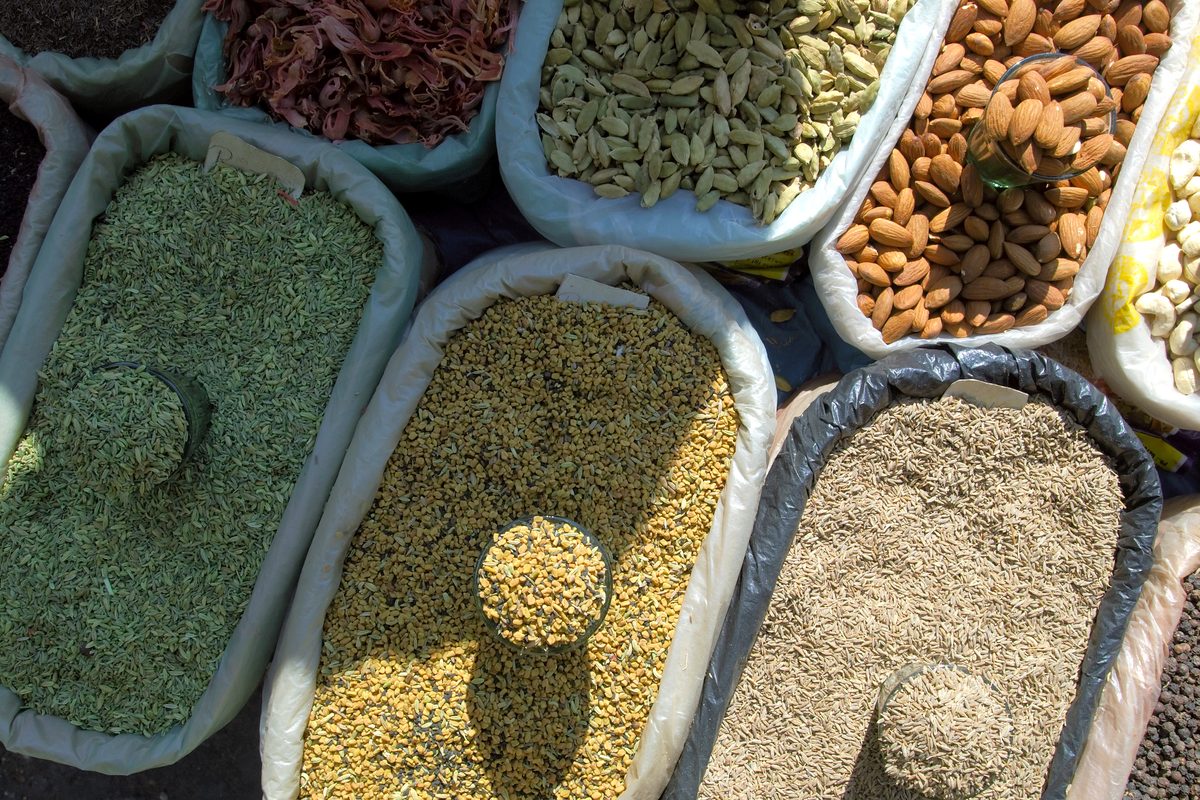

The Middle East has become one of the fastest-growing food import markets in the world. Due to limited agricultural production, changing consumer lifestyles, rising population, and increasing demand for premium food products, countries across the region heavily rely on food imports.
From organic products and Indian spices to ready-to-eat meals and healthy snacks, the Middle East offers massive opportunities for global food exporters. Countries such as the UAE, Saudi Arabia, Qatar, Kuwait, Oman, and Bahrain are continuously expanding their food import sectors to meet growing consumer demand.
At Maati Farms, we help businesses connect with global food markets through reliable sourcing and export solutions tailored for international buyers.
Middle East Food Import Market Overview

The Middle East imports a large percentage of its food requirements because of:
- Limited agricultural land
- Water scarcity
- Harsh climatic conditions
- Rapid urbanization
- Growing tourism industry
- Increasing demand for premium food products
The region has become a major importer of:
- Rice and grains
- Spices and seasonings
- Frozen foods
- Organic products
- Dairy products
- Snacks and packaged foods
- Fruits and vegetables
- Plant-based foods
According to the FAO, food demand in the Middle East continues to grow because of rising population and evolving dietary preferences.
Why Food Imports Are Increasing in the Middle East
1. Rapid Population Growth
The Middle East population is expanding steadily, increasing overall food consumption.
2. Rising Tourism and Hospitality Industry
Hotels, restaurants, and catering businesses require consistent imported food supplies.
3. Urban Lifestyle Changes
Consumers increasingly prefer convenient, ready-to-cook, and packaged food products.
4. Growing Health Awareness
Demand for organic, healthy, and functional foods is rising rapidly.
5. Dependence on Imports
Many Middle Eastern countries import a significant portion of their food due to limited domestic production.
Top Food Imports Trends in Middle East
1. Rising Demand for Organic Food Products
Organic food consumption is increasing significantly across the Middle East, especially in UAE and Saudi Arabia.
Popular Organic Imports
- Organic spices
- Organic rice
- Herbal teas
- Organic snacks
- Plant-based products
Consumers are increasingly willing to pay premium prices for healthier and chemical-free food products.
2. Growth of Ready-to-Eat and Convenience Foods
Busy urban lifestyles have increased the demand for ready-to-eat meals and convenience foods.
High-Demand Products
- Frozen snacks
- Instant meals
- Ready-to-cook spice blends
- Packaged curries
- Frozen vegetables
The hospitality and retail sectors are major contributors to this trend.
3. Increasing Demand for Indian Spices and Seasonings
Indian spices remain one of the most imported food categories in the Middle East.
Popular Spice Imports
- Turmeric
- Chili Powder
- Black Pepper
- Cardamom
- Garam Masala
- Curry Powder
Indian cuisine has strong popularity across the region, increasing spice import demand continuously.
4. Expansion of Healthy Snack Markets
Consumers are moving toward healthier snacking alternatives.
Trending Snack Categories
- Protein snacks
- Dry fruits and nuts
- Millet snacks
- Energy bars
- Superfood blends
Health-conscious consumers are driving demand for functional food products.
5. Growth in Plant-Based and Vegan Products
Plant-based diets are becoming increasingly popular among younger consumers.
Popular Vegan Imports
- Plant-based protein products
- Dairy alternatives
- Vegan snacks
- Superfoods
- Herbal beverages
This trend creates new opportunities for exporters offering sustainable and health-focused products.
6. Demand for Sustainable and Eco-Friendly Packaging
Consumers and retailers are increasingly preferring sustainable packaging solutions.
Packaging Trends
- Recyclable packaging
- Biodegradable materials
- Minimal plastic usage
- Eco-friendly branding
Sustainable packaging also improves brand perception in international markets.
Major Food Importing Countries in the Middle East
| Country | Major Food Import Trends |
|---|---|
| UAE | Organic foods, packaged foods, spices |
| Saudi Arabia | Spices, grains, frozen foods |
| Qatar | Premium imported foods |
| Kuwait | Ready-to-eat products |
| Oman | Agricultural products and snacks |
| Bahrain | Health-focused food products |
The UAE and Saudi Arabia remain the largest food import hubs in the region.
Export Opportunities for Indian Food Businesses
Indian exporters have strong opportunities in the Middle East because of:
- Geographic proximity
- Strong trade relationships
- High demand for Indian products
- Large Indian expatriate population
- Competitive pricing
- Diverse agricultural production
High-Potential Export Categories
- Spices and masalas
- Rice and grains
- Dehydrated vegetables
- Moringa powder
- Organic products
- Millet-based foods
- Ready-to-cook products
Indian food exporters can benefit significantly by focusing on quality, certifications, and consistent supply chains.
Certifications Required for Middle East Food Exports
Maintaining food safety and compliance standards is essential for successful exports.
Important Certifications
| Certification | Purpose |
|---|---|
| FSSAI License | Food safety compliance |
| IEC Code | Export authorization |
| APEDA Registration | Agricultural export approval |
| Halal Certification | Essential for Middle East markets |
| HACCP Certification | Food safety management |
| ISO Certification | International quality standards |
Halal certification is especially important for exporting food products to Middle Eastern countries.
Packaging Requirements for Middle East Markets
Proper packaging helps improve shelf life and product presentation.
Packaging Features
- Food-grade materials
- Arabic and English labeling
- Moisture-resistant packaging
- Export-grade sealing
- Retail-ready packaging
- Attractive branding
Packaging quality plays a major role in consumer trust and product acceptance.
Challenges in Middle East Food Export
Regulatory Compliance
Each country has specific import and food safety regulations.
High Competition
Global exporters compete strongly in Middle Eastern markets.
Shelf-Life Management
Perishable food products require efficient cold-chain logistics.
Documentation Issues
Incorrect paperwork can delay customs clearance.
Pricing Pressure
Competitive pricing is essential for market success.
Businesses with reliable sourcing and efficient logistics gain stronger market advantages.
Why Choose Maati Farms for Food Export?
Maati Farms helps businesses simplify international agricultural trade with reliable sourcing and export support.
Benefits of Working With Maati Farms
- Premium-quality agricultural products
- Reliable export supply chain
- International-standard packaging
- Export documentation support
- Competitive pricing
- Global buyer connections
- Customized export solutions
- Efficient logistics coordination
Our team supports exporters and importers with smooth and transparent global trade operations.
Frequently Asked Questions (FAQ)
1. Which food products are highly imported in the Middle East?
Spices, grains, frozen foods, organic products, snacks, and ready-to-eat meals are highly imported.
2. Why is food import demand increasing in the Middle East?
Population growth, tourism, urban lifestyles, and limited agricultural production are driving food imports.
3. Is Halal certification necessary for Middle East exports?
Yes, Halal certification is highly important for food exports to Middle Eastern countries.
4. Which Middle Eastern country imports the most food?
The UAE and Saudi Arabia are among the largest food importers in the region.
5. What packaging is preferred in Middle East markets?
Food-grade, moisture-resistant, eco-friendly, and bilingual packaging is preferred.
Final Thoughts
The Middle East continues to offer enormous opportunities for food exporters worldwide. Rising demand for organic products, healthy foods, Indian spices, ready-to-eat meals, and sustainable packaging is shaping the future of the region’s food import industry.
Indian exporters focusing on quality, certifications, packaging, and efficient logistics can build strong long-term opportunities in these growing markets.
If you are planning to expand your food export business globally, Maati Farms can help you connect with international buyers and simplify the export process efficiently.