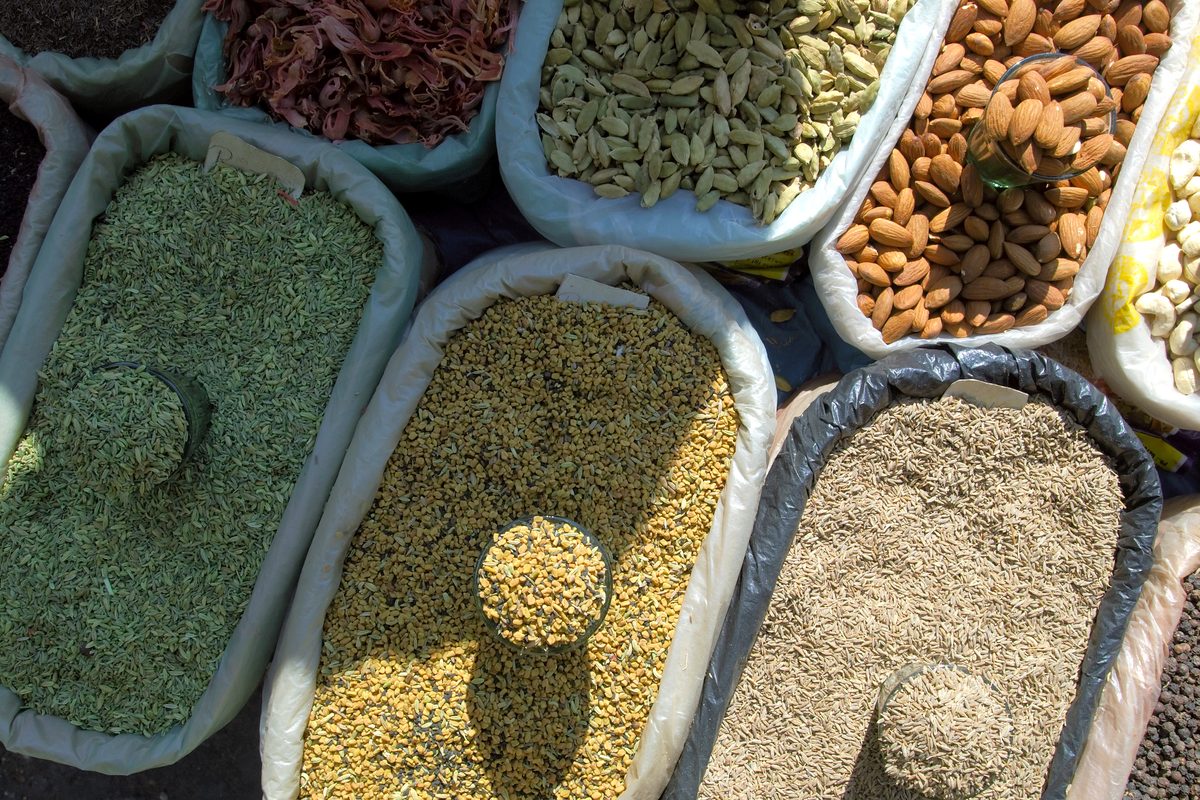
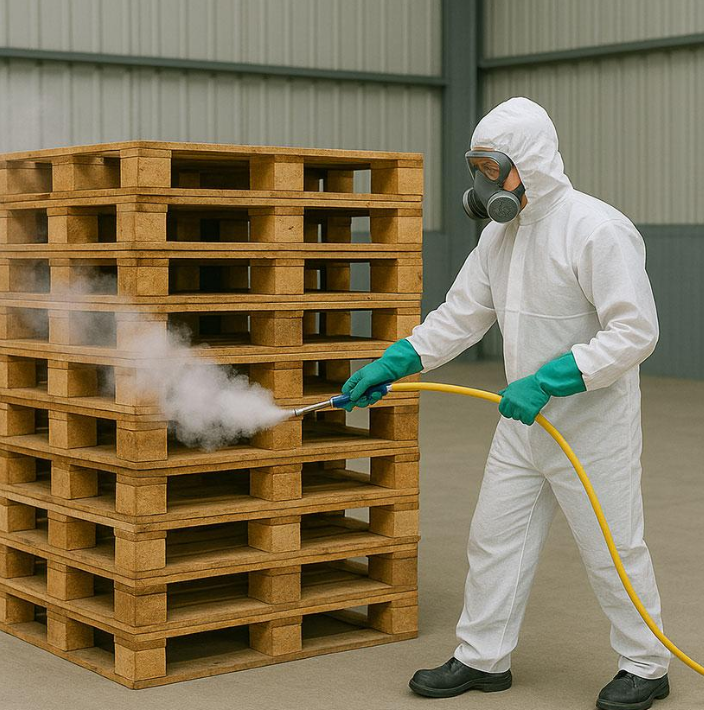
Exporting agricultural products requires more than quality goods and reliable logistics. Many countries have strict import regulations to prevent the spread of pests and harmful organisms. Therefore, a Fumigation Certificate for export is often required to confirm that exported goods or their wooden packaging have been treated to eliminate insects, pests, and other contaminants.
Whether you export spices, oil seeds, dehydrated vegetables, herbs, or processed food products, understanding the importance of a fumigation certificate can help ensure smooth customs clearance and timely deliveries. At Maati Farms, we support international buyers with premium agricultural products and complete export documentation to simplify global trade.
What Is a Fumigation Certificate?
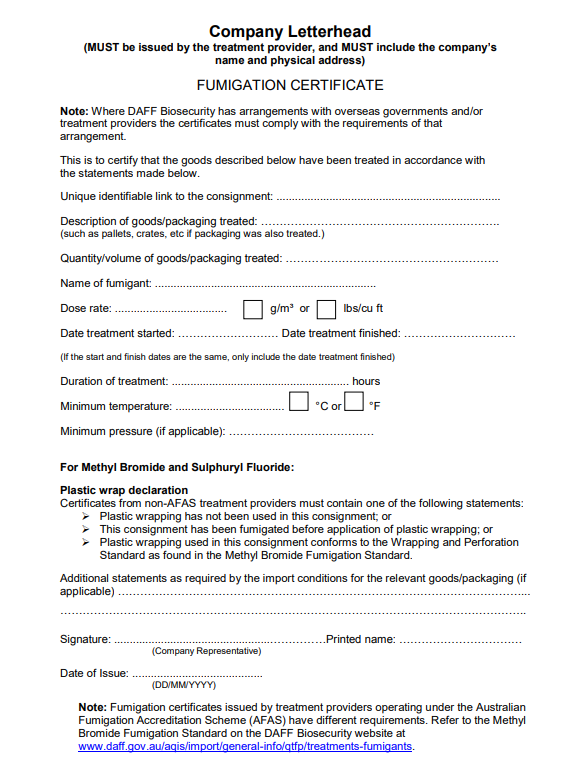
A Fumigation Certificate is an official document issued after cargo or wooden packaging materials have been treated with approved fumigants to eliminate pests, insects, fungi, and other harmful organisms.
Moreover, this certificate confirms that the shipment complies with the importing country’s plant health and quarantine regulations. It is commonly required when goods are packed using wooden pallets, crates, or boxes.
Why Is a Fumigation Certificate Important?
Many countries require fumigation certificates to protect their agriculture and ecosystems from invasive pests.
Some key benefits include:
- Prevents the spread of harmful insects and pests.
- Ensures compliance with international import regulations.
- Supports faster customs clearance.
- Reduces the risk of shipment rejection.
- Protects agricultural ecosystems.
- Builds confidence among international buyers.
Consequently, exporters who provide accurate fumigation certificates are less likely to face customs delays.
When Is a Fumigation Certificate Required?

A fumigation certificate in export is generally required when:
- Goods are packed in wooden pallets or crates.
- The importing country specifically requests it.
- Agricultural or plant-based products are in export.
- Customs regulations require pest treatment.
- ISPM 15 compliance is mandatory.
However, the exact requirement depends on the destination country’s import regulations.
Products That Commonly Require Fumigation
Several agricultural products may require fumigation before export, including:
- Spices
- Oil seeds
- Pulses
- Grains
- Fresh fruits
- Fresh vegetables
- Herbs
- Wooden packaging materials
- Dehydrated food products
Information Included in a Fumigation Certificate
A standard certificate generally contains:
- Exporter details
- Importer details
- Certificate number
- Description of goods
- Quantity
- Fumigation method
- Chemical used
- Date of treatment
- Place of fumigation
- Validity period
- Authorized signature and seal
Providing accurate information helps customs authorities verify compliance.
Common Reasons for Shipment Delays
Although fumigation is a routine procedure, mistakes can still cause delays.
Common issues include:
- Missing certificate
- Incorrect treatment details
- Expired certificate
- Improper wooden packaging
- Non-compliance with ISPM 15 standards
- Documentation mismatch
Therefore, exporters should carefully review all documents before dispatching the shipment.
Related Export Documents
A Fumigation Certificate is often submitted along with:
- Commercial Invoice
- Packing List
- Bill of Lading
- Certificate of Origin
- Phytosanitary Certificate
- Shipping Bill
- Insurance Documents
Read more here about:
- Commercial Invoice in Export
- Packing List in Export
- What Is a Certificate of Origin & Why It Matters
- Bill of Lading: Your Cargo’s Passport Explained
- Phytosanitary Certificate for Export
Together, these documents ensure smooth customs clearance and successful international trade. Exporters should also comply with documentation guidelines issued by the DGFT.
Why Choose Maati Farms?
At Maati Farms, we understand that international buyers expect not only premium agricultural products but also complete compliance with export regulations.
Our experienced team assists with:
- High-quality agricultural products
- Export-compliant documentation
- Reliable sourcing
- Customized packaging
- Timely international shipping
- Dedicated customer support
Whether you’re importing spices, oil seeds, dehydrated vegetables, or superfoods, we help make the export process simple and reliable.
Conclusion
A Fumigation Certificate is an essential document for many international shipments, especially those involving agricultural products or wooden packaging. It helps prevent the spread of pests, supports customs clearance, and ensures compliance with international regulations.
By partnering with Maati Farms, buyers benefit from quality products, professional export documentation, and reliable logistics that support smooth international trade.
Frequently Asked Questions
What is a Fumigation Certificate?
A Fumigation Certificate confirms that goods or their wooden packaging have been treated to eliminate pests before export.
Is a Fumigation Certificate mandatory?
It depends on the importing country’s regulations and the type of goods or packaging used.
Who issues a Fumigation Certificate?
Authorized fumigation agencies issue the certificate after completing the treatment.
Is fumigation required for all exports?
No. It is generally required for certain agricultural products and shipments using wooden packaging materials.