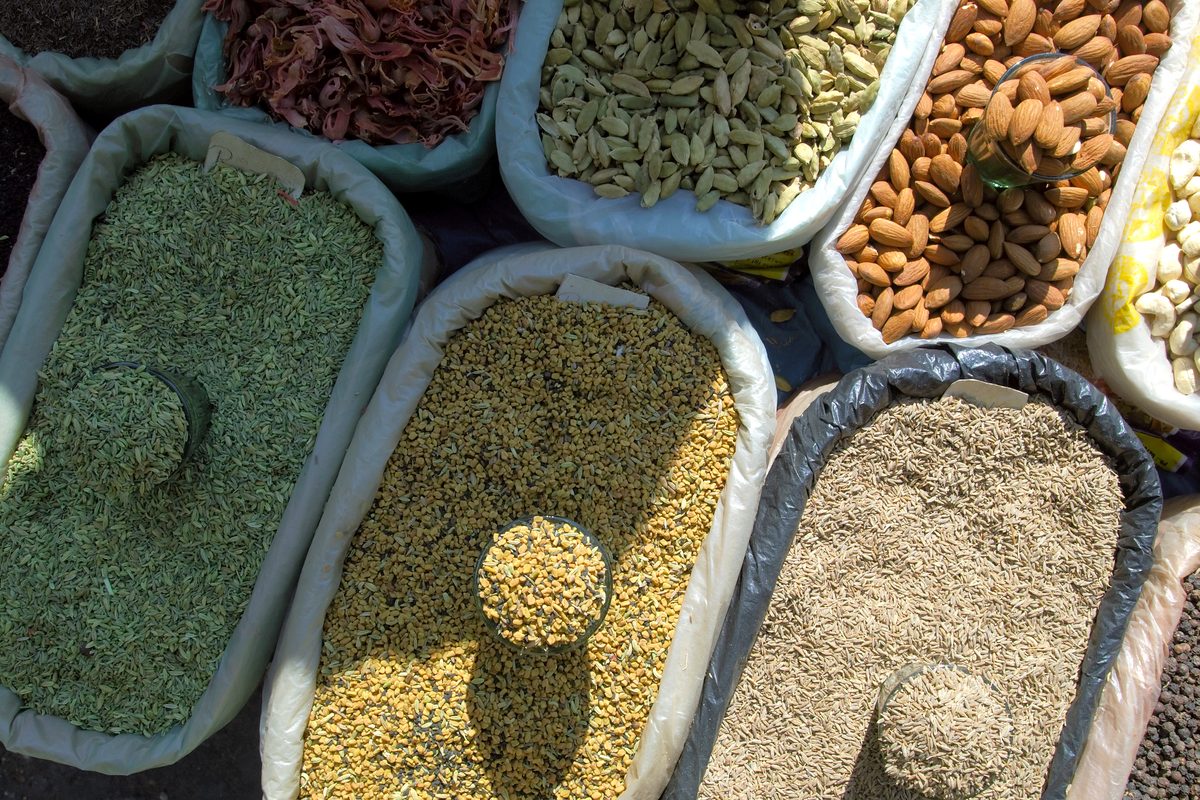

Canada is one of the most attractive international markets for food exporters due to its growing multicultural population, strong retail sector, and increasing demand for imported food products. From Indian spices and rice to organic foods, snacks, frozen products, and superfoods, Canadian buyers actively source food products from global suppliers.
For Indian exporters and food businesses, finding reliable food importers in Canada can open long-term growth opportunities. However, success requires the right strategy, compliance knowledge, and strong business networking.
In this guide, we explain how to find food importers in Canada, where to connect with buyers, important certifications, and how businesses can expand successfully into the Canadian food market.
At Maati Farms, we help businesses simplify agricultural exports with reliable sourcing, export support, and international trade solutions.
Overview of Canada’s Food Import Market

Canada imports a significant amount of food products every year because of changing consumer preferences, multicultural demand, and strong retail distribution networks.
Popular imported food categories include:
- Spices and seasonings
- Rice and grains
- Organic food products
- Frozen foods
- Ready-to-eat meals
- Snacks and beverages
- Plant-based products
- Superfoods and wellness products
The Canadian food market offers excellent opportunities for exporters supplying high-quality and internationally compliant products.
Why Canada Is a Strong Market for Food Exporters
1. Growing Multicultural Population
Canada has a diverse population with strong demand for international cuisines and imported food products.
2. Rising Demand for Organic and Healthy Foods
Consumers increasingly prefer organic, plant-based, and clean-label food products.
3. Expanding Retail and Food Service Industry
Canadian supermarkets, restaurants, and food chains constantly source imported products.
4. Strong Purchasing Power
Canadian consumers are willing to spend more on premium-quality imported foods.
5. Increasing Demand for Indian Products
Indian spices, rice, ready-to-eat foods, and wellness products are becoming highly popular in Canada.
Best Ways to Find Food Importers in Canada

1. Use B2B Marketplace Platforms
B2B platforms are one of the easiest ways to connect with Canadian importers.
Popular B2B Platforms
- Alibaba
- IndiaMART
- TradeIndia
- Global Sources
- ExportHub
These platforms help exporters showcase products and connect directly with importers and distributors.
2. Search Canadian Import Directories
Import directories help identify verified buyers and food import companies.
Useful Import Directories
- Canadian Importers Database
- TFO Canada
- Industry association directories
- Food distributor directories
These databases help exporters identify importers by product category and location.
3. Attend International Food Trade Shows
Trade shows are one of the most effective ways to meet buyers directly.
Popular Canadian Food Trade Shows
- SIAL Canada
- CHFA Expo
- Restaurants Canada Show
- Grocery & Specialty Food West
Trade exhibitions help businesses:
- Build buyer relationships
- Showcase products
- Understand market trends
- Generate bulk inquiries
Trade shows remain highly effective for long-term B2B partnerships.
4. Use LinkedIn for B2B Networking
LinkedIn is highly effective for finding procurement managers, distributors, and import companies.
LinkedIn Search Tips
Search using keywords such as:
- Food Importer Canada
- Food Distributor Canada
- Grocery Importer Toronto
- Organic Food Buyer Canada
- Indian Food Importer Canada
Connect professionally and send personalized introduction messages.
5. Build an SEO-Optimized Website
A professional website helps Canadian buyers trust your business.
Your Website Should Include
- Product catalogs
- Certifications
- Export capabilities
- Packaging details
- Company profile
- Contact information
- Export documentation support
Businesses with strong online visibility generate more international inquiries.
6. Work With Export Promotion Councils
Export councils and government organizations help exporters connect with global buyers.
Useful Organizations
- APEDA
- Spices Board India
- FIEO
- TFO Canada
These organizations provide trade opportunities, buyer meetings, and export guidance.
Food Products With High Demand in Canada
| Product Category | Demand Level |
|---|---|
| Indian Spices | High |
| Rice & Grains | High |
| Organic Foods | Growing |
| Frozen Foods | High |
| Superfoods | Growing |
| Ready-to-Eat Meals | High |
| Snacks & Namkeen | High |
| Herbal Products | Growing |
| Plant-Based Foods | Growing |
Products aligned with health and wellness trends perform especially well in Canadian markets.
Certifications Required for Exporting Food to Canada
Food exporters must comply with Canadian import regulations and food safety standards.
Important Certifications
| Certification | Purpose |
|---|---|
| IEC Code | Export authorization |
| FSSAI License | Food safety compliance |
| APEDA Registration | Agricultural export approval |
| HACCP Certification | Food safety management |
| ISO 22000 | International food standards |
| Organic Certification | Required for organic products |
| CFIA Compliance | Canadian food import standards |
Exporters must ensure proper labeling, traceability, and documentation for smooth customs clearance.
Packaging Requirements for Canadian Markets
Packaging quality plays a major role in product acceptance and shelf visibility.
Recommended Packaging Features
- Food-grade materials
- English and French labeling
- Moisture-resistant packaging
- Export-grade sealing
- Nutritional information
- Barcode and batch details
Attractive and compliant packaging improves buyer trust and retail opportunities.
Challenges While Finding Food Importers
High Market Competition
Many exporters compete for Canadian buyers.
Strict Import Regulations
Canada has strong food safety and compliance standards.
Buyer Verification
Finding genuine and reliable importers can be challenging.
Logistics and Shipping Costs
Freight and warehousing expenses may affect pricing.
Long Sales Cycles
Building trust with international buyers may take time.
Businesses that focus on quality, certifications, and consistent communication perform better in international markets.
Tips to Successfully Approach Canadian Importers
Keep Your Product Catalog Professional
Use clear product descriptions, specifications, and export capabilities.
Share Certifications
Importers prefer suppliers with verified certifications and export compliance.
Offer Competitive Pricing
Pricing should remain competitive without compromising quality.
Respond Quickly
Fast communication improves buyer confidence.
Focus on Long-Term Relationships
Successful export businesses prioritize long-term partnerships over one-time sales.
Why Choose Maati Farms for Food Export Support?
Maati Farms helps businesses simplify international agricultural trade with trusted sourcing and export assistance.
Benefits of Working With Maati Farms
- Reliable sourcing solutions
- International-standard packaging
- Export documentation support
- Global buyer connections
- Competitive pricing
- Agricultural export expertise
- Logistics coordination
- Customized export solutions
Whether you are a new exporter or an established supplier, Maati Farms helps streamline your international business operations.
Frequently Asked Questions (FAQ)
1. How can I find food importers in Canada?
You can find importers through B2B platforms, LinkedIn, trade shows, import directories, and export promotion organizations.
2. Which food products have high demand in Canada?
Indian spices, rice, frozen foods, organic products, snacks, and superfoods have strong demand.
3. Is certification necessary for exporting food to Canada?
Yes, exporters need certifications such as FSSAI, IEC, HACCP, and compliance with Canadian food regulations.
4. Which trade shows are useful for finding Canadian buyers?
SIAL Canada and CHFA Expo are among the most important food industry trade shows.
5. Does packaging matter in Canadian food markets?
Yes, high-quality packaging and proper labeling significantly improve product acceptance.
Final Thoughts
Canada offers excellent opportunities for food exporters looking to expand internationally. With increasing demand for imported foods, organic products, Indian spices, and health-focused products, businesses can build strong long-term export opportunities in the Canadian market.
Success depends on finding reliable importers, maintaining international quality standards, and building strong buyer relationships.
If you are looking for trusted export support and global sourcing solutions, Maati Farms can help you simplify the export process and connect with international buyers efficiently.