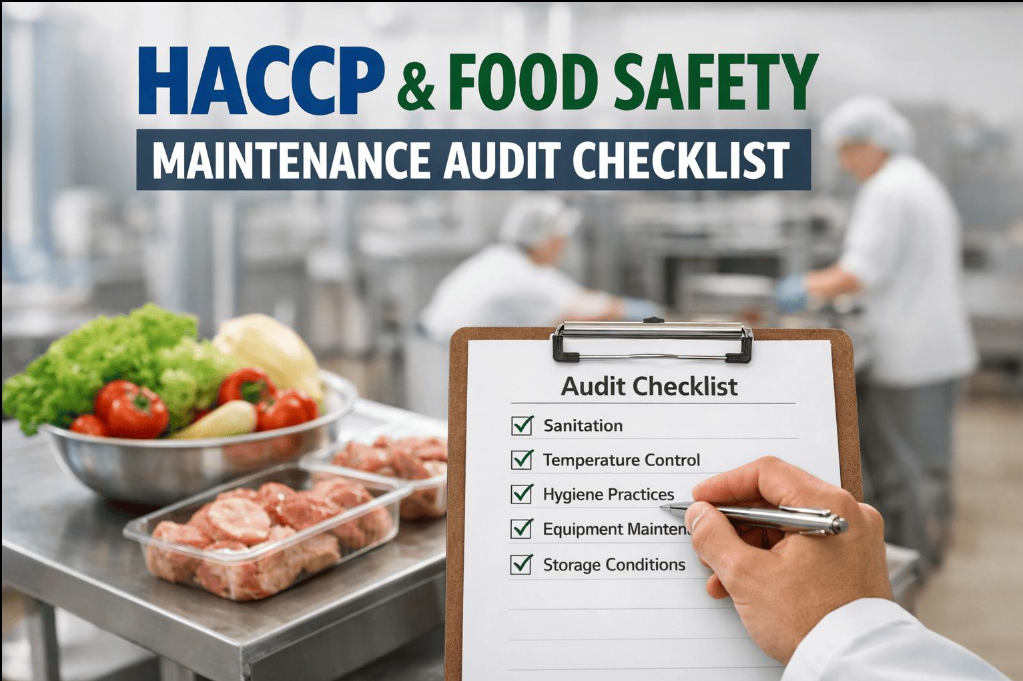
Exporting food products to international markets requires more than just high-quality products. Buyers across the world expect exporters to follow internationally recognized food safety standards. One of the most trusted food safety systems is HACCP Certification.
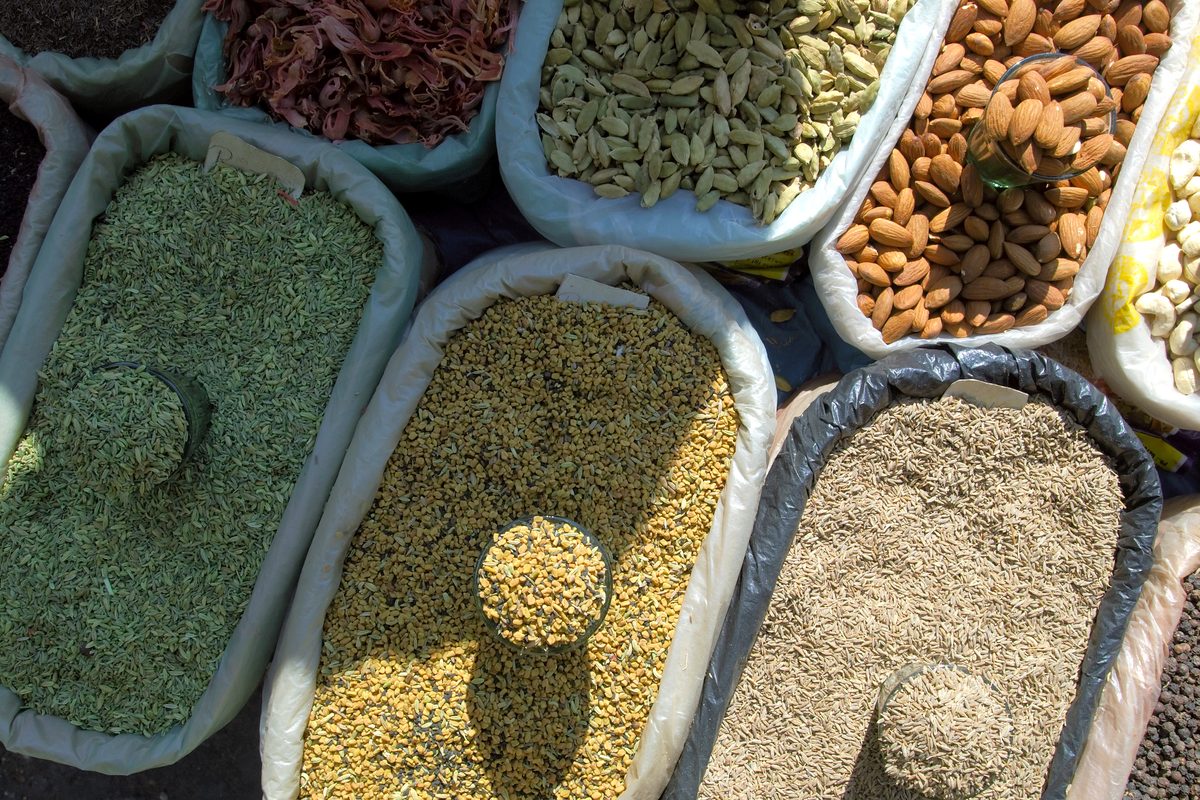
Whether you export spices, oil seeds, dehydrated vegetables, grains, pulses, or processed food products, HACCP certification demonstrates your commitment to food safety and quality. At Maati Farms, we prioritize international food safety standards to ensure that our agricultural and processed food products meet global buyer expectations.
What Is HACCP?

HACCP (Hazard Analysis and Critical Control Points) is an internationally recognized food safety management system designed to identify, evaluate, and control food safety hazards throughout the production process.
Instead of testing finished products alone, HACCP focuses on preventing contamination before it occurs. As a result, food manufacturers and exporters can consistently deliver safe and high-quality products.
Why Is HACCP Certification Important for Food Export?
Many countries require or strongly prefer suppliers who follow HACCP principles. Certification increases buyer confidence and helps businesses comply with international food safety regulations.
Moreover, HACCP certification reduces food safety risks, improves operational efficiency, and strengthens your company’s reputation in global markets.
Benefits of HACCP Certification
Improved Food Safety
HACCP helps businesses identify potential biological, chemical, and physical hazards before products reach consumers.
Increased Buyer Confidence
International buyers prefer suppliers who maintain internationally recognized food safety standards.
Better Market Access
Many importers, supermarkets, and food distributors require HACCP-certified suppliers.
Regulatory Compliance
HACCP supports compliance with food safety regulations in several countries.
Reduced Product Recalls
Preventive food safety measures significantly reduce the chances of contamination and costly product recalls.
Improved Business Reputation
Certification demonstrates professionalism and commitment to quality.
Who Should Obtain HACCP Certification?
HACCP certification is recommended for businesses involved in:
- Food manufacturing
- Food processing
- Agricultural exports
- Spice exports
- Oil seed exports
- Dehydrated vegetables
- Ready-to-eat foods
- Food packaging
- Warehousing
- Cold storage facilities
Even if certification is not legally mandatory for every export destination, many buyers consider it an essential requirement.
The Seven Principles of HACCP
The HACCP system is based on seven internationally accepted principles.
1. Conduct Hazard Analysis
Identify all potential food safety hazards.
2. Determine Critical Control Points (CCPs)
Identify stages where hazards can be controlled effectively.
3. Establish Critical Limits
Define measurable limits for each critical control point.
4. Monitor Critical Control Points
Regularly monitor food safety procedures.
5. Establish Corrective Actions
Take immediate action if a critical limit is exceeded.
6. Verification Procedures
Verify that the HACCP system is functioning effectively.
7. Record Keeping
Maintain proper documentation of food safety procedures and monitoring activities.
Documents Required for HACCP Certification
The certification body may request:
- Company registration documents
- Food safety policy
- Manufacturing process flow chart
- Standard Operating Procedures (SOPs)
- Good Manufacturing Practices (GMP) records
- Sanitation records
- Employee training records
- Internal audit reports
- Product specifications
Maintaining accurate documentation helps speed up the certification process.
HACCP Certification Process
Step 1: Conduct a Gap Analysis
Evaluate existing food safety practices.
Step 2: Develop HACCP Plan
Identify hazards and establish control measures.
Step 3: Train Employees
Ensure staff understand HACCP principles and food safety responsibilities.
Step 4: Implement the System
Introduce HACCP procedures throughout the production process.
Step 5: Internal Audit
Review the effectiveness of the food safety system.
Step 6: Certification Audit
An accredited certification body audits the organization before issuing the certificate.
Common Mistakes to Avoid
Many businesses delay certification because of avoidable mistakes.
Some common issues include:
- Poor documentation
- Incomplete employee training
- Lack of monitoring records
- Improper sanitation practices
- Failure to review food safety hazards regularly
Therefore, businesses should continuously monitor and improve their HACCP system.
HACCP vs ISO 22000
Although both focus on food safety, they are different.
| HACCP | ISO 22000 |
|---|---|
| Focuses on hazard control | Covers the complete food safety management system |
| Based on seven HACCP principles | Includes HACCP along with management system requirements |
| Widely accepted worldwide | More comprehensive certification |
Many exporters eventually implement both systems to strengthen food safety management.
Related Export Certifications
Food exporters may also require:
- APEDA Registration
- FSSAI License
- Phytosanitary Certificate
- Certificate of Origin
- Fumigation Certificate
- Organic Certification
- Halal Certification
- ISO 22000 Certification
Read more here about:
- APEDA Registration: Complete Guide
- Phytosanitary Certificate
- Fumigation Certificate
- Certificate of Origin
- Commercial Invoice
- Shipping Bill
- Bill of Lading
These resources provide a complete understanding of export compliance and documentation.
Why Choose Maati Farms?
At Maati Farms, food safety and quality are at the core of our export operations. We work with reliable sourcing partners and maintain strict quality control throughout the supply chain.
Our strengths include:
- Premium agricultural products
- Export-quality processing
- International documentation support
- Reliable global shipping
- Customized packaging
- Commitment to international food safety standards
Whether you need spices, oil seeds, dehydrated vegetables, cereals, or superfoods, we strive to deliver products that meet global quality expectations.
Conclusion
HACCP Certification plays a vital role in international food exports by ensuring consistent food safety and quality. It helps exporters build buyer confidence, comply with global regulations, and reduce food safety risks throughout the supply chain.
For businesses looking to expand into international markets, implementing HACCP is a valuable investment that strengthens credibility and opens doors to new export opportunities. Combined with quality products and reliable export practices, HACCP certification helps create long-term success in global food trade.
Frequently Asked Questions
Is HACCP certification mandatory for food exports?
It depends on the destination country and buyer requirements. However, many international buyers strongly prefer HACCP-certified suppliers.
Who provides HACCP certification?
Accredited certification bodies issue HACCP certification after successfully completing an audit.
How long does HACCP certification take?
The timeline varies depending on the organization’s preparedness, documentation, and audit schedule.
What is the difference between HACCP and ISO 22000?
HACCP focuses on hazard analysis and critical control points, while ISO 22000 is a broader food safety management system that incorporates HACCP principles.