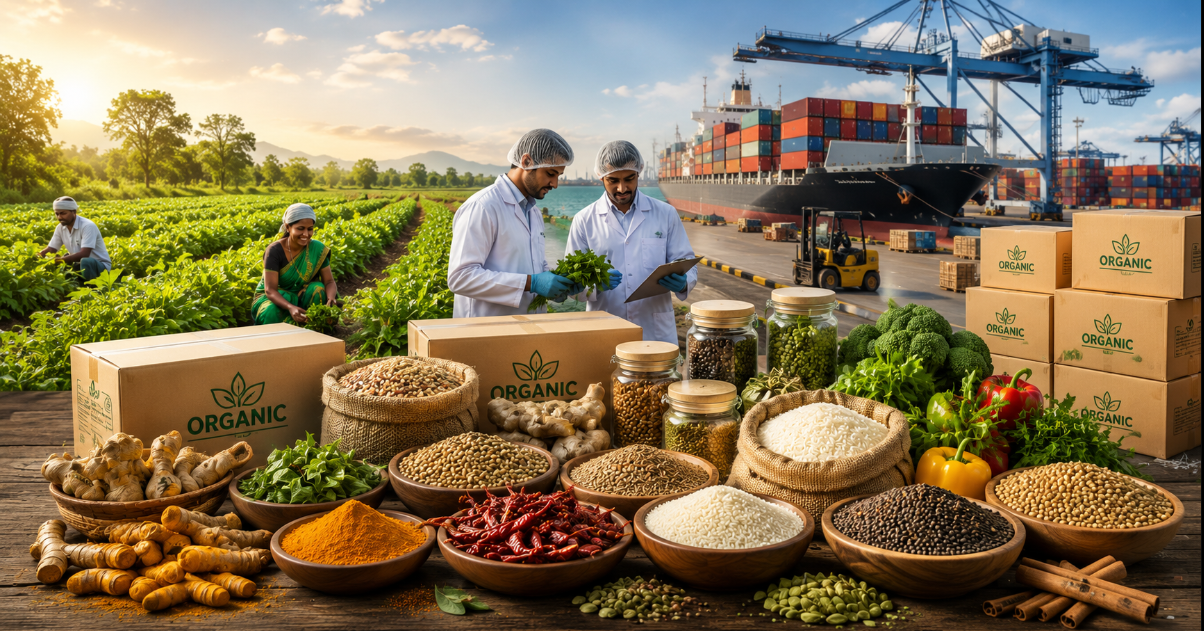
If you’re planning to export organic spices, rice, herbs, pulses, or other agricultural products, you’ve probably heard buyers ask one important question: “Is your product organically certified?” Today, international buyers don’t just look for high-quality products—they want proof that those products are grown responsibly and meet global organic standards. In countries like the USA, Germany, Canada, Australia, and Japan, Organic Certification has become a key factor in building trust and winning long-term business.
Whether you’re a first-time exporter or an established supplier, understanding Organic Certification for Food Export can open doors to premium international markets and help your products stand out from the competition.
In this guide, we’ll explain everything you need to know—from what Organic Certification is to its benefits, certification process, required documents, and why it’s becoming increasingly important in global food trade.
What is Organic Certification?
Organic Certification is an official verification that confirms agricultural products are grown, processed, and packaged according to approved organic farming standards.
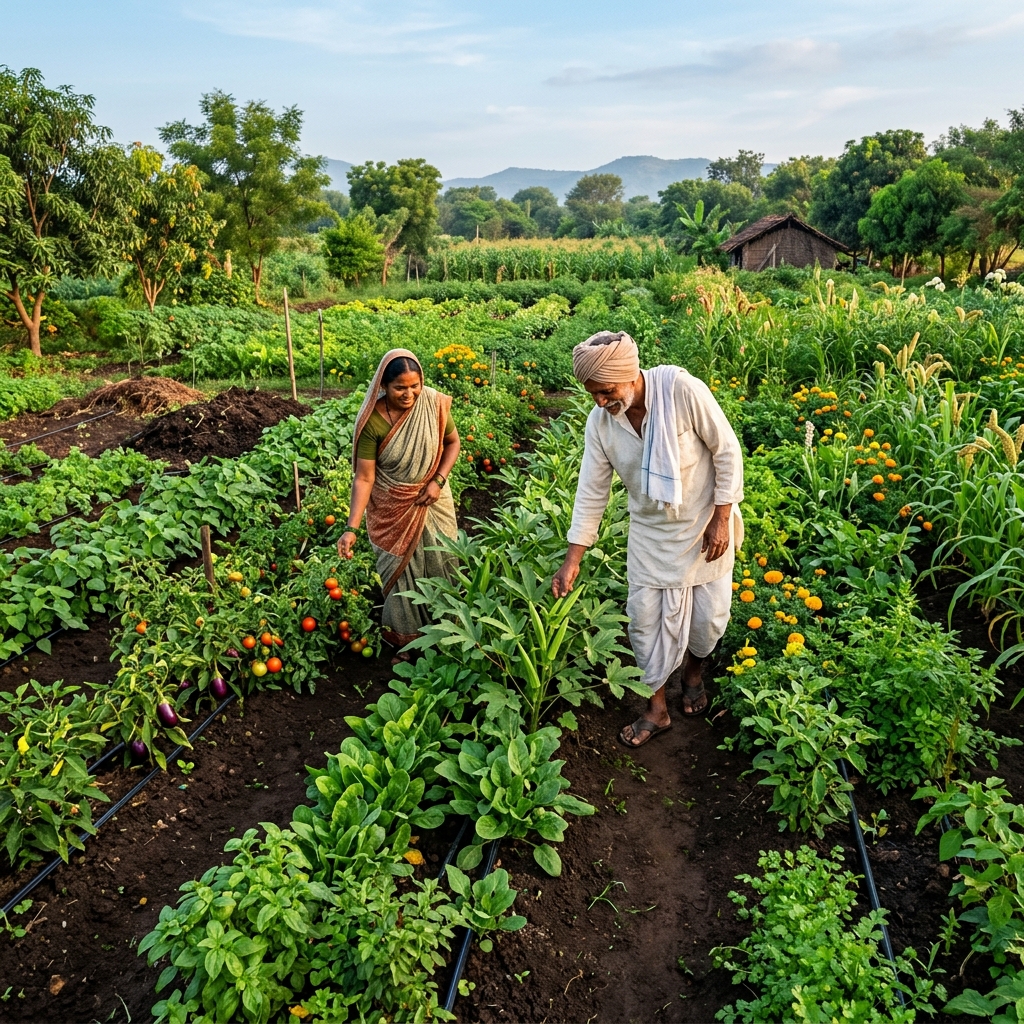
In simple words, it tells buyers that your products are produced without synthetic pesticides, chemical fertilizers, genetically modified organisms (GMOs), or harmful chemicals.
Think of it as a trust badge. When buyers see that your products are organically certified, they know they’re purchasing food that meets internationally accepted organic standards. For exporters, this certification isn’t just about compliance—it’s about building credibility in highly competitive global markets.
Why is Organic Certification Important for Food Export?
Imagine two exporters selling the same turmeric powder. Both offer competitive prices, but only one has Organic Certification. Which supplier do you think an international buyer is more likely to trust? In most cases, the certified exporter has a significant advantage. Organic Certification helps exporters:
- Build trust with international buyers
- Access premium organic food markets
- Increase product value
- Strengthen brand reputation
- Meet import requirements in many countries
- Win long-term supply contracts
- Differentiate themselves from competitors
As consumer demand for clean-label and chemical-free food continues to grow, certified organic products often receive greater attention from importers and retailers.
Which Products Can Be Organically Certified?
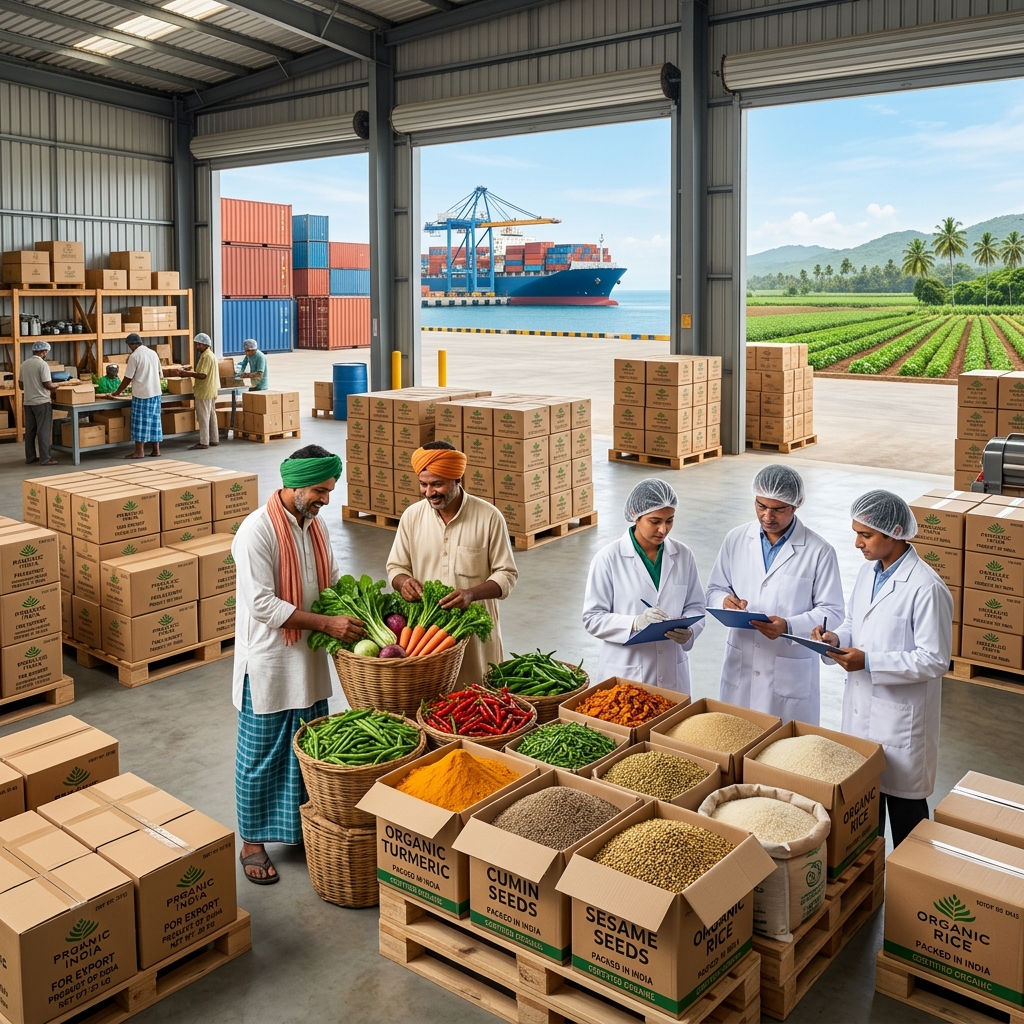
Organic Certification is available for a wide range of agricultural and processed food products. Some of the most commonly exported products include:
- Organic spices
- Rice
- Pulses
- Millets
- Herbs
- Sesame seeds
- Psyllium husk
- Makhana
- Dehydrated vegetables
- Fruits
- Vegetables
- Tea and coffee
- Herbal ingredients
- Processed organic food products
If your products follow approved organic farming and processing practices, they may qualify for certification.
Top Countries Importing Organic Food Products
The demand for organic food is increasing every year. Some of the biggest importers include:
- United States
- Germany
- France
- Netherlands
- United Kingdom
- Canada
- Australia
- Japan
- South Korea
- United Arab Emirates
Consumers in these countries are willing to pay higher prices for certified organic products because they value health, sustainability, and food safety.
Benefits of Organic Certification for Exporters
Obtaining Organic Certification isn’t just about meeting regulations—it can also help your business grow. Here are some of the biggest benefits:
Access to Premium Markets
Many international retailers and importers prefer certified organic suppliers, making it easier to enter high-value markets.
Better Pricing
Organic products often command higher prices than conventional products because of their quality and growing demand.
Increased Buyer Confidence
Certification demonstrates that your products meet recognized organic standards, giving buyers greater confidence in your business.
Stronger Brand Image
Being an organic exporter positions your company as environmentally responsible and quality-focused.
Long-Term Business Opportunities
Certified exporters are more likely to establish lasting relationships with international buyers who value consistency and compliance.
Documents Required for Organic Certification
Although the exact requirements may vary depending on the certification body, exporters generally need:
- Business registration documents
- Import Export Code (IEC)
- FSSAI License
- Farm details
- Production records
- Processing information
- Product list
- Storage facility details
- Packaging information
- Traceability records
Keeping accurate documentation makes the certification process much smoother. Read more here about:
- HACCP Certification for Food Export
- FSSAI License for Food Export
- APEDA Registration: Complete Guide
- Halal Certification for Food Export
- Phytosanitary Certificate
- Fumigation Certificate
- Certificate of Origin
- Commercial Invoice
These resources help exporters understand the complete export compliance process.
Organic Certification Process
The certification process usually follows these steps:
Step 1: Submit Your Application
Choose an approved certification body and complete the application.
Step 2: Document Verification
The certification agency reviews your farming, processing, and business records.
Step 3: Farm and Facility Inspection
Inspectors visit your farm or processing facility to verify compliance with organic standards.
Step 4: Compliance Assessment
The inspection findings and documentation are carefully evaluated.
Step 5: Certification Approval
If your operations meet all requirements, the Organic Certification is issued.
Step 6: Annual Renewal
Organic Certification isn’t a one-time process. Regular inspections and renewals help maintain compliance.
Common Mistakes Exporters Should Avoid
Many exporters delay certification because of avoidable mistakes. Some of the most common include:
- Incomplete documentation
- Poor record keeping
- Mixing organic and conventional products
- Using prohibited pesticides or fertilizers
- Improper storage practices
- Missing annual renewal deadlines
- Lack of product traceability
Avoiding these issues can save both time and money during inspections.
Why Choose Maati Farms?
At Maati Farms, we understand that international buyers expect more than just quality products—they expect reliability, compliance, and transparency. We work closely with trusted producers who follow high-quality agricultural practices and maintain proper documentation throughout the supply chain.
From sourcing premium agricultural products to ensuring export-ready quality, our goal is to help global buyers receive products they can trust. Whether you’re looking for spices, herbs, oilseeds, dehydrated vegetables, or other agricultural commodities, Maati Farms is committed to delivering products that meet international expectations.
Conclusion
As global demand for organic food continues to grow, Organic Certification for Food Export has become more valuable than ever. It helps exporters build trust, access premium international markets, improve brand reputation, and create long-term business opportunities.
If you’re planning to expand your export business, investing in Organic Certification is not just about meeting requirements—it’s about preparing your business for sustainable global growth.
Frequently Asked Questions
Is Organic Certification mandatory for exporting food products?
No. However, if you’re selling products as “organic,” certification is generally required to prove compliance with recognized organic standards.
How long does the certification process take?
The timeline varies depending on the certification body, product type, and documentation, but it typically takes several weeks to a few months.
Can small exporters obtain Organic Certification?
Yes. Small businesses, farmer groups, and individual exporters can all apply, provided they meet the required standards.
Does Organic Certification increase product value?
Yes. Certified organic products often receive better pricing and are preferred by many international buyers.
Which export products commonly receive Organic Certification?
Spices, rice, herbs, pulses, millets, oilseeds, dehydrated vegetables, tea, coffee, fruits, and processed food products are among the most commonly certified exports.